
Short answer
A sewer cleanout is a capped access pipe to your home's main sewer line. Look for it near the house wall, in the basement, or out by the street.
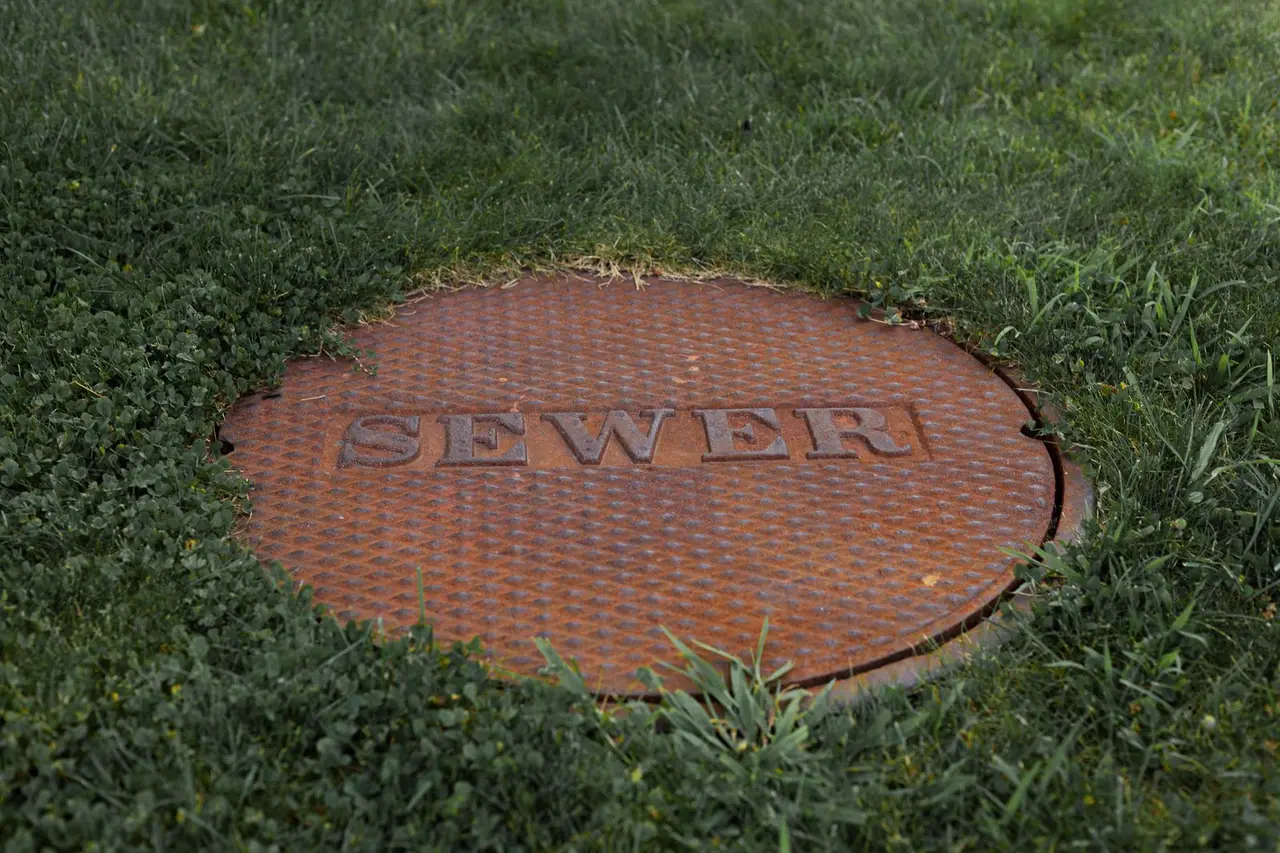
What a sewer cleanout actually is
A sewer cleanout is a capped pipe that gives direct access to your home's main sewer line — the underground pipe that carries all of your wastewater out to the municipal sewer or septic tank. Think of it as a maintenance hatch for your sewer system. Instead of digging up the yard or pulling a toilet to reach a blockage, a plumber can unscrew the cleanout cap and send an auger or a camera straight into the line.
Every drain in your house — sinks, toilets, showers, the washing machine — feeds into that one main line, and the cleanout sits on it somewhere between your house and the street (or the septic tank). Older homes may have only one cleanout, usually at the point where the line leaves the house. Newer homes often have two: one near the foundation and one closer to the street or property line, so a plumber can work the line from either direction.
The cleanout itself is nothing fancy. It is a short vertical section of pipe, usually the same diameter as the sewer line — 3 or 4 inches in most homes — with a threaded cap on top. It does nothing while your drains are working normally. Its whole job is to be there, accessible, on the day something goes wrong.
What the cap looks like — and what it is not
Outdoors, a cleanout cap is usually a round, flat plug on top of a short pipe sticking a few inches out of the ground. On modern homes the pipe is white or black PVC or ABS plastic, and the cap often has a square raised nut in the center that a wrench grips. Older homes may have a cast-iron pipe with a heavy brass or iron plug that sits flush with the ground, a basement floor, or a sidewalk — sometimes with the letters "C.O." or the word "cleanout" stamped on it.
Do not confuse a cleanout with other pipes poking out of your yard. A sprinkler system's backflow preventer sits above ground with valves and handles on it. A downspout drains rainwater from the roof and is open at the bottom. A vent pipe from the roof is tall and thin. A cleanout is short, capped, and has no valves, handles, or openings — just a threaded plug you could unscrew if you had a wrench.
Indoors, a cleanout looks similar but is often easier to miss: a capped pipe stub coming out of a basement wall or floor, sometimes painted the same color as the wall, sometimes hidden behind a stored box or a piece of furniture. In a garage it may sit low on the wall where the main line exits toward the street. The cap is the giveaway — a round plug, usually with a square nut, on a pipe that goes nowhere.
Where to find yours outdoors
Start outside, close to the house. Walk the foundation wall on the side facing the street and look within a few feet of the wall for a short capped pipe sticking out of the ground. The cleanout usually sits in a straight line between the house and the street sewer connection, so once you find one, the line runs roughly in that direction.
If there is nothing by the wall, walk that same straight line toward the street and look again. Many homes have a second cleanout near the property line or the sidewalk, often inside a small round or rectangular ground box with a lid — the kind of lid you can lift with your fingers. Landscaping is the usual reason a cleanout goes missing: a bush grows over it, mulch buries it, or a previous owner covered it with a decorative rock. Push the mulch aside and look for the pipe; a metal detector or a long screwdriver pushed gently into soft soil will find a buried cap faster than guessing.
Check the front yard first, but do not ignore the back. On some lots the sewer line runs out the back of the house to a rear easement or an alley. If your home is on a septic system instead of a city sewer, the cleanout is usually between the house and the septic tank, close to the foundation.
Where to find yours indoors
If the outdoor search comes up empty, go inside and look where the main line leaves the house. In a basement, follow the largest drain pipe — the 3- or 4-inch main stack — down to where it turns and exits through the foundation wall or the floor. The cleanout is often a capped branch off that pipe right at the turn, or a plug in the floor nearby. Look behind the water heater, the laundry area, and any finished walls near the stack; in finished basements the cleanout may be behind a small access panel.
In a slab-on-grade home with no basement, the main cleanout is almost always outdoors, because there is no accessible pipe inside to put one on. In a crawl space, it is usually on the main line just inside the foundation wall, though getting to it means crawling — a job better left to a plumber if the space is tight or damp.
Homes built before the 1970s sometimes have no cleanout at all. That was common in older construction, and it is one reason a plumber may need to pull a toilet or run a camera through a roof vent to reach a blockage in an old house. If your home has no cleanout, having one installed is a straightforward job that pays for itself the first time the main line backs up — ask a plumber about it during the next visit, not during an emergency.
Using your property survey and plans to locate it
If you cannot find the cleanout by looking, your paperwork may know where it is. A property survey — the drawing you received at closing — usually shows the sewer line and its cleanouts, marked with a small circle or the letters "C.O." on the line running from the house to the street. The original plumbing plans, if you have them, show the same thing in more detail.
No survey handy? The city or county utility department often has a record of your sewer lateral, the pipe that connects your house to the main. Many municipalities will share that drawing on request, and some publish it through an online permit or utility portal. The building permit file for your home, held by the local permit office, can also show the cleanout location from the original construction drawings.
One practical trick costs nothing: run water in the house and listen. Have someone flush a toilet while you stand outside near the foundation — the cleanout is usually close to where the line exits, and on a quiet day you can sometimes hear the flow through the pipe. It will not pinpoint the cap, but it narrows the search to a few feet of wall.
When to open it — and when NOT to
Here is the rule that matters most in this guide: do not open a cleanout yourself when sewage is backing up or standing in the line. A blocked main line can hold wastewater under pressure, and unscrewing the cap can release it in a sudden, messy surge across your yard — or your basement floor. The sewage backup guide on this site says the same thing for a reason: if water is coming up through drains or toilets, leave the cap on and call a plumber.
Opening the cap is safe only when the line is flowing normally and you are simply looking — confirming where the cleanout is, or checking whether the cap is intact. Even then, wear gloves, keep your face away from the opening, and be ready for sewer gas odor. If you see standing water right below the cap when you peek in, screw it back on and call a plumber: standing water at the cleanout means the blockage is downstream of it.
The cap itself can also be a problem. Plastic caps crack with age and sun exposure, and cast-iron plugs can rust in place over decades. A cracked or missing cap lets rainwater, dirt, and tree roots into the line — and lets sewer gas out. If the cap is damaged, replace it; caps are cheap and a plumber can swap one in minutes. But if a metal plug will not budge, do not force it with a long cheater bar — a cracked cleanout pipe turns a small job into a dig.
What a plumber does through the cleanout
When a plumber arrives for a main-line blockage, the cleanout is usually the first thing they look for, because it decides how the job goes. Through the cleanout they can feed a drain auger — a powered snake — directly into the line to break up or pull out the blockage, whether it is tree roots, grease buildup, or flushed wipes. Working through the cleanout is faster and cleaner than pulling a toilet or going in through a roof vent, and it gives the auger a straight shot at the problem.
After the line is clear, the plumber will often run a camera through the same cleanout. The camera rides on a flexible cable and records the inside of the pipe in real time, so the plumber can see what caused the blockage and where: a root mass at a joint, a cracked or collapsed section, a sagging belly where waste collects, or a pipe offset by shifting soil. The camera has footage markers, so the repair can target the exact spot instead of digging up the whole line.
This is also why the cleanout matters before an emergency. A plumber who can find the cleanout in two minutes spends the visit fixing the problem. A plumber who spends half an hour hunting for a buried cap — or finds there is no cleanout at all — spends that time on access instead of the repair. Knowing where yours is, and keeping it reachable, saves time and money on the worst day your drains can have.
Keeping it accessible — and what to have ready when you call
Once you have found your cleanout, make it easy to find again. Mark its spot with a small landscape flag or a discreet garden stone, and take a photo of it with your phone — a photo with the house wall or a fence in the frame is worth more than a description when you are trying to direct a plumber at night. Trim back any bush growing over it, and keep mulch and soil a few inches below the cap so it stays visible.
Never pave over a cleanout, pour a concrete pad across it, or bury it under a deck. If you are landscaping or building, keep the cap exposed and reachable — a ground box with a lift-off lid is the tidy way to hide one without losing it. And if you sell the house, point the cleanout out to the buyer: it is one of those small things a new homeowner is glad to know on day one instead of discovering during a backup.
If you need to call a plumber about a main-line problem, a few facts ready on the phone help them judge the job before arriving. Note where your cleanout is — near the house wall, by the street, or in the basement — and whether you know of a second one. Say whether you can see standing water at the cap, which drains are backing up, and whether the problem affects one fixture or the whole house. Mention any trees with roots near the line, and whether the home has had sewer problems before. If there is no cleanout at all, say so: the plumber will plan to work through a toilet pull or a roof vent instead, and may quote adding a cleanout while they are there.
- Where the cleanout is — near the house wall, by the street, or in the basement — and whether there is a second one.
- Whether you can see standing water at the cap, or the cap is loose, cracked, or missing.
- Which drains are backing up, and whether it is one fixture or the whole house.
- Any large trees with roots near the sewer line, and any past sewer problems.
- Whether the home has no cleanout at all — the plumber will plan a different access point.
- A photo of the cleanout's location, if you have one — it saves time on the visit.