Sewer Line Repair & Replacement
Sewer lines fail from root intrusion, age, ground shifting, and corrosion — showing up as repeated backups, soggy yard patches, or sewage smells. A camera inspection reveals the exact problem; trenchless methods can often replace the line with minimal digging. FlowFast connects you with an independent local plumber for sewer line service.
- Connected with an independent local pro — never a call center queue.
- The process explained up front, before anyone picks up a wrench.
- Serving all 50 states.
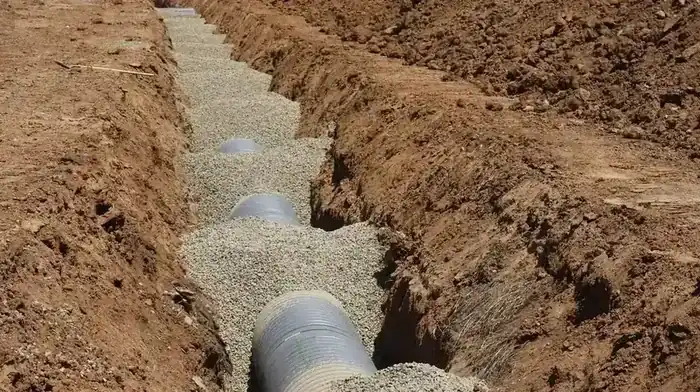
Your sewer lateral is the hardest-working pipe you never see — every drain in the house feeds it, and it runs underground through soil, roots, and shifting ground. Clay and cast-iron laterals from the last century are all living on borrowed time; even newer PVC can belly or separate at joints.
The good news is that sewer work has modernized. A camera inspection shows the exact condition of the line, and trenchless pipe bursting or lining can replace a failing lateral with one or two small access pits instead of an open trench across your yard.
FlowFast Plumbing is a free referral service. Sewer work is specialized and permit-heavy — we connect you with up to three independent local plumbers who do it regularly, so you can compare diagnoses and approaches.
- Typical first step
- Stop the water source, then document everything with photos.
- Emergency capable
- Yes — call any time water is actively leaking.
Warning signs
Signs you need this service
- Sewage backing up into the lowest drains — tubs, showers, or floor drains.
- Multiple fixtures clogging or gurgling at the same time.
- A persistently soggy or sunken patch in the yard above the sewer line.
- Sewage odors inside the home or around the property.
- The same main-line blockage returning months after a cleaning.
What happens
The process, step by step
Camera inspection: the pro scopes the line from a cleanout and shows you exactly what is wrong — roots, breaks, bellies, or collapse.
Options and method: spot repair, trenchless replacement, or traditional dig — matched to the damage and your property.
Permits and locate: sewer work needs permits and utility marking; a reputable pro handles both.
Replace and restore: the new line goes in, is tested and inspected, and the surface is restored.
Cost factors
What influences the cost
Every job is different, so we won't quote prices sight unseen. These are the factors a pro will weigh when pricing your job:
- Repair method — spot repair versus trenchless versus open trench.
- Line length, depth, and pipe diameter.
- What is above the line — driveway, patio, landscaping, or mature trees.
- Extent of damage — isolated break versus full-length failure.
- Permits and inspections required by the city.
DIY guidance
What you can do — and when to stop
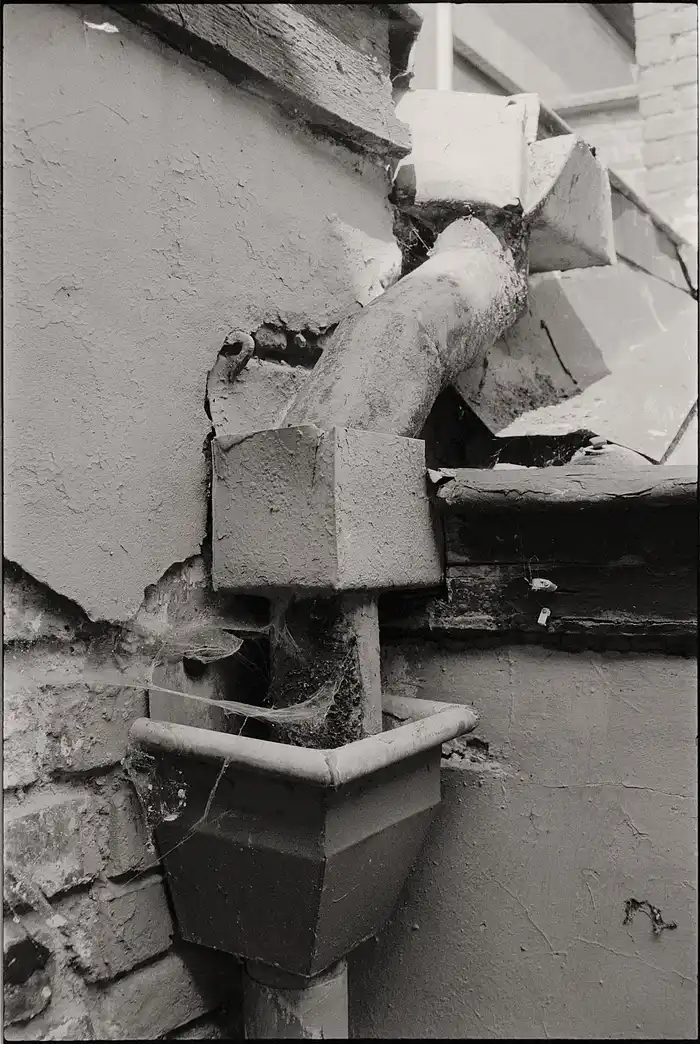
Safe to do yourself
- Note the pattern — which fixtures, how often — and share it with the pro.
- Keep trees and deep-rooted shrubs away from the known line path.
- Know where your sewer cleanout is before you need it.
Stop and call a pro
- Digging to expose the line yourself — utilities and trench safety are pro territory.
- Repeated chemical treatments for main-line root problems — they do not fix the pipe.
- Ignoring recurring main-line backups — each one risks interior sewage damage.
Frequently asked questions
Serving towns nationwide
Related services

Helpful guides
Plumbing problem? Don't wait on it.
Tell us what's happening and we'll connect you with an independent local plumber who fits the job.