Water Heater Repair, Replacement & Tankless Upgrades
Water heaters last 8–12 years for tanks and 15–20 for tankless units. Repair makes sense for thermostats, elements, and valves on younger units; replacement is smarter when the tank itself leaks or the unit is past its prime. FlowFast connects you with an independent local plumber for water heater service.
- Connected with an independent local pro — never a call center queue.
- The process explained up front, before anyone picks up a wrench.
- Serving all 50 states.
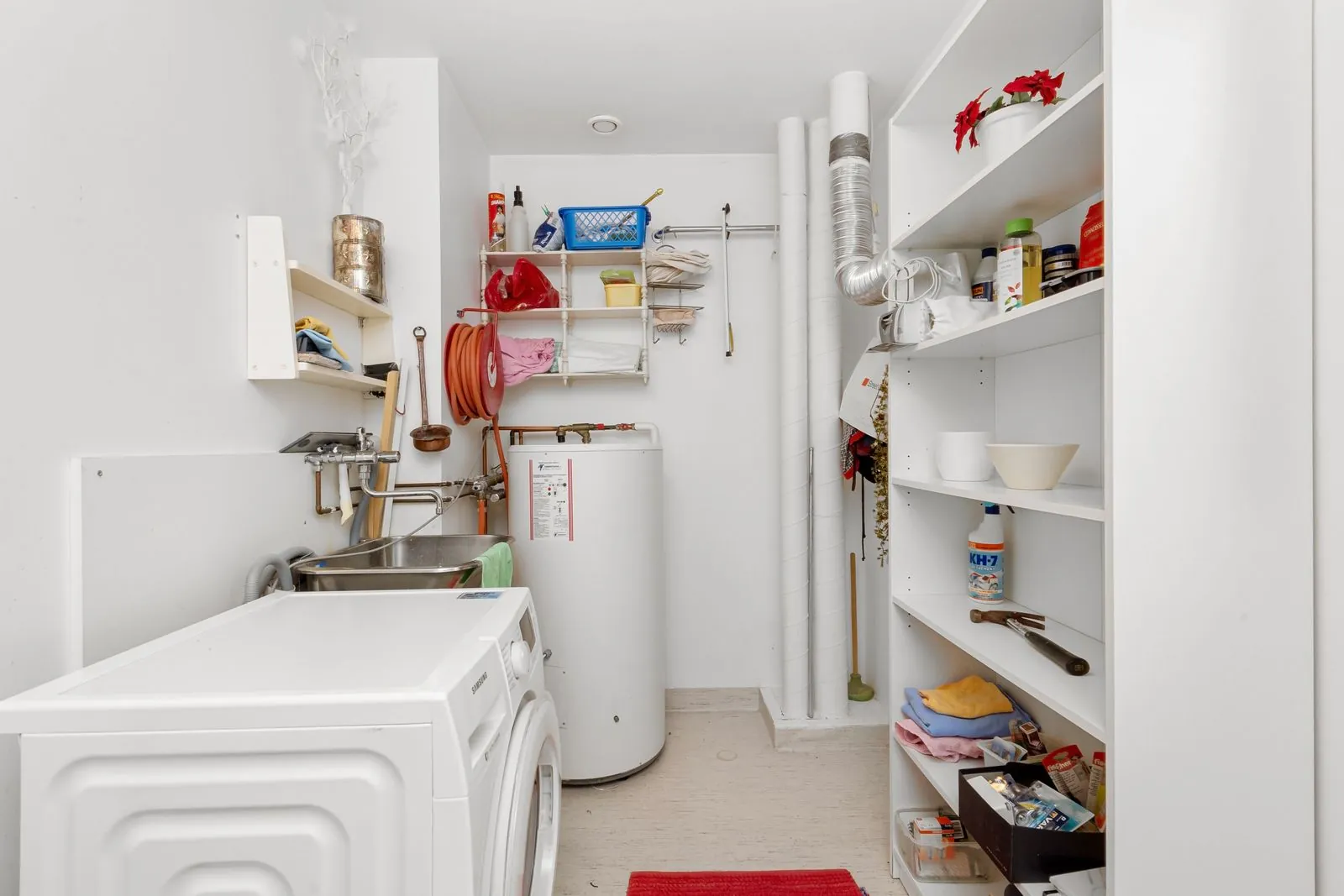
The cold shower is how most people meet their water heater's mortality. Tanks fail in predictable ways: heating elements and thermostats on electric units, thermocouples and gas valves on gas ones, and eventually the tank itself — once a tank leaks from the body, it is done.
Tankless units trade the big tank for endless hot water and a longer lifespan, but they cost more upfront and need proper sizing and gas or electrical capacity. A pro sizes the unit to your household's real peak demand, not a brochure number.
FlowFast Plumbing is a free referral service. We do not install heaters ourselves — we connect you with up to three independent local plumbers who do, so you can compare options.
- Typical first step
- Stop the water source, then document everything with photos.
- Emergency capable
- Yes — call any time water is actively leaking.
Warning signs
Signs you need this service
- No hot water, or hot water that runs out much faster than it used to.
- Rusty or discolored hot water, or a metallic smell.
- Rumbling, popping, or banging from the tank — sediment boiling at the bottom.
- Water pooling around the base of the heater.
- The unit is over 10 years old and needing frequent small repairs.
What happens
The process, step by step
Diagnose first: the pro tests elements, thermostats, gas controls, and the tank itself to find the real failure.
Repair or replace recommendation: an honest pro tells you when a $200 part beats a $2,000 unit — and when it doesn't.
Right-size the replacement: household size, simultaneous use, and fuel type determine tank size or tankless capacity.
Install to code: proper venting, expansion tank, drain pan, and permits where required — then haul-away of the old unit.
Cost factors
What influences the cost
Every job is different, so we won't quote prices sight unseen. These are the factors a pro will weigh when pricing your job:
- Repair versus full replacement.
- Tank versus tankless — equipment and installation complexity differ significantly.
- Fuel type — gas, electric, or heat-pump hybrid.
- Code upgrades — expansion tanks, pans, and venting changes on older installs.
- Access and location — garage swaps are simple; attic or closet installs are not.
DIY guidance
What you can do — and when to stop
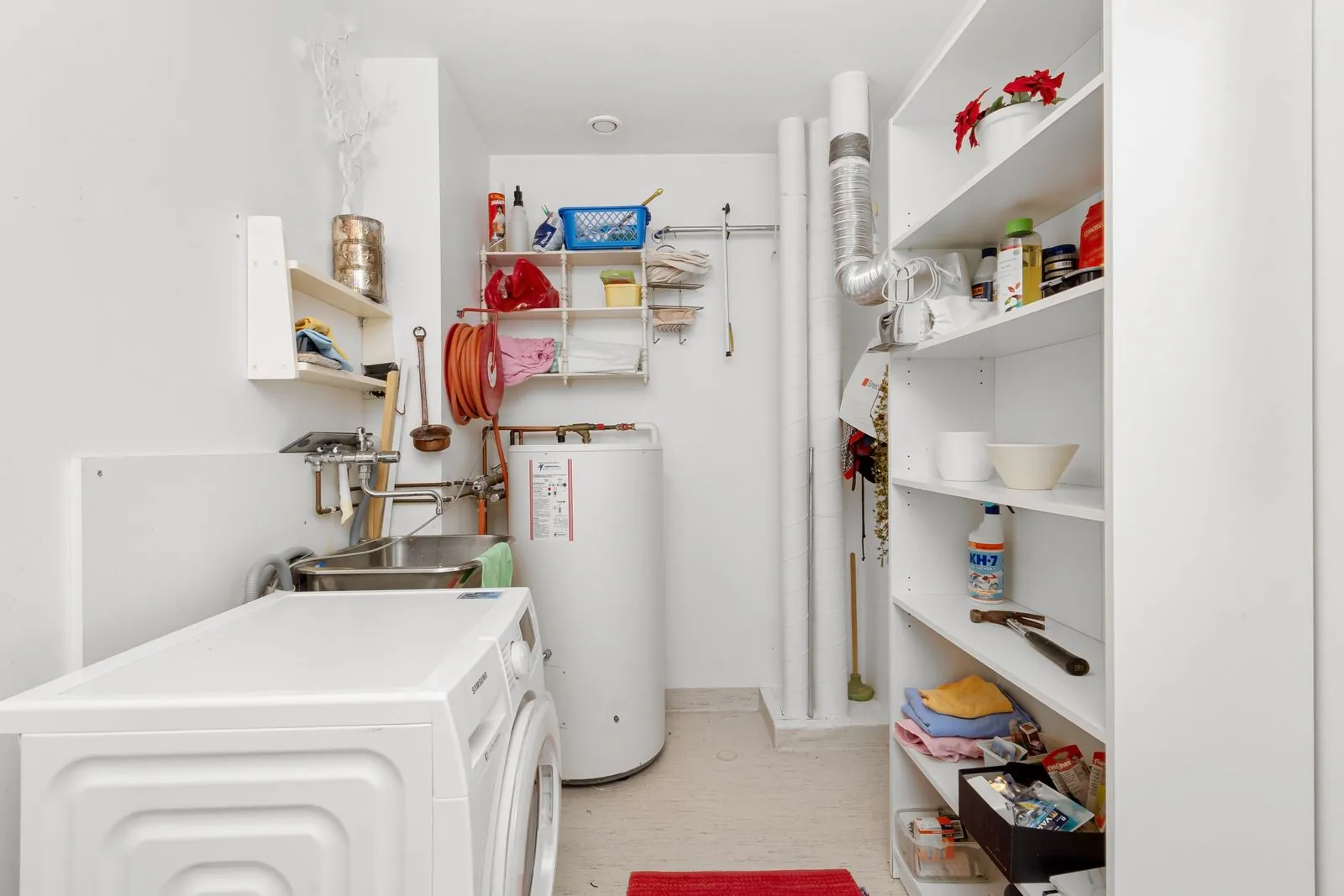
Safe to do yourself
- Test the reset button and breaker on an electric unit that stopped heating.
- Check that the gas valve is open and the pilot is lit on older gas units.
- Drain a bucket of sediment from the tank drain valve once a year (if the valve works freely).
Stop and call a pro
- Any gas smell — leave the area and call the gas utility, not a DIY forum.
- A leaking tank — it will not heal, and the leak only grows.
- Electrical work inside the unit beyond the reset button.
- Installing a new unit yourself — gas, venting, and pressure relief are pro territory.
Frequently asked questions
Serving towns nationwide
Related services


Helpful guides
Plumbing problem? Don't wait on it.
Tell us what's happening and we'll connect you with an independent local plumber who fits the job.