Leak Detection & Repair — Find It Before It Spreads
Hidden leaks announce themselves through high water bills, damp spots, musty smells, or the sound of running water when nothing is on. Pros locate them with acoustic listening, thermal imaging, and pressure testing — no guesswork demolition. FlowFast connects you with an independent local plumber for leak detection and repair.
- Connected with an independent local pro — never a call center queue.
- The process explained up front, before anyone picks up a wrench.
- Serving all 50 states.
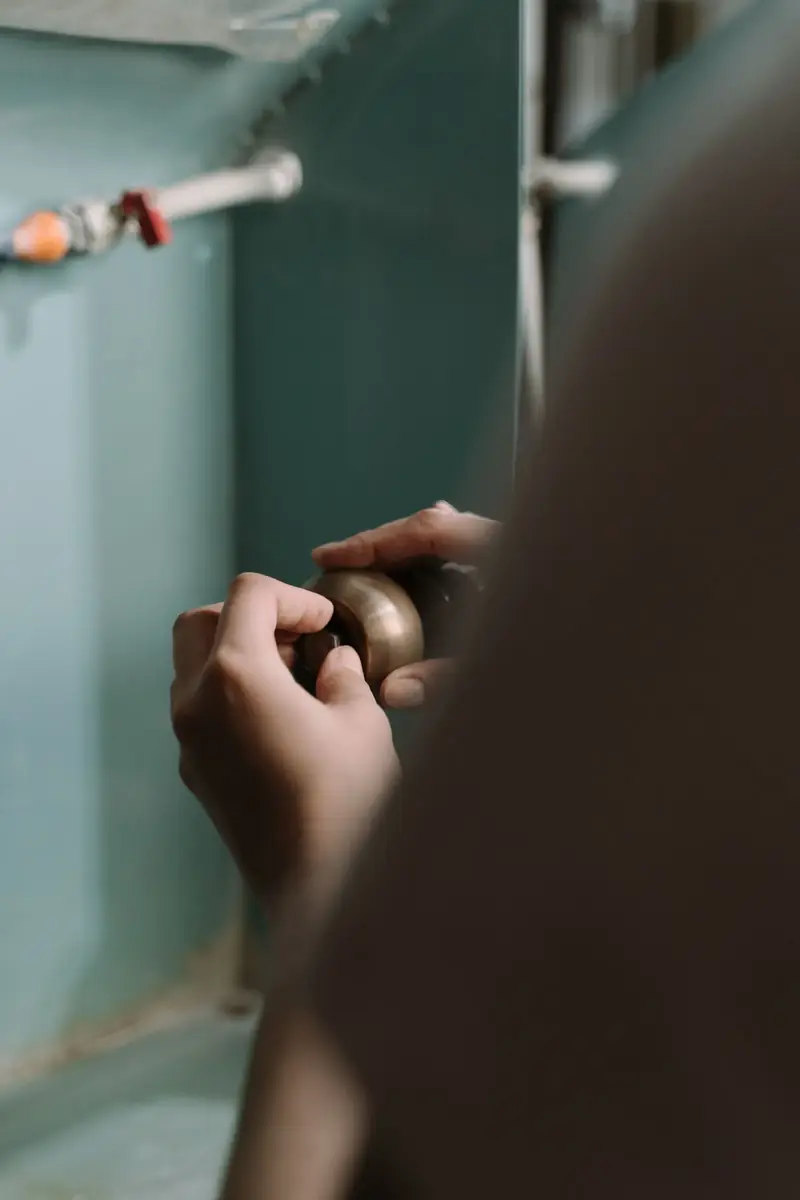
The visible drip under the sink is the easy leak. The expensive ones hide: a pinhole in a copper line inside a wall, a slab leak under concrete, a supply line weeping into a cabinet base. By the time you see water, the leak has usually been working for a while.
Modern leak detection is non-invasive. Acoustic sensors hear pressurized water escaping, thermal cameras see the temperature signature of wet framing, and pressure tests isolate which line is losing water. The goal is one precise opening, not exploratory demolition.
FlowFast Plumbing is a free referral service — we do not do detection ourselves. Describe the symptoms and we will connect you with up to three independent local plumbers equipped for the job.
- Typical first step
- Stop the water source, then document everything with photos.
- Emergency capable
- Yes — call any time water is actively leaking.
Warning signs
Signs you need this service
- A water bill that jumped with no change in usage.
- Damp spots, bubbling paint, or warping on walls, ceilings, or floors.
- The sound of running water when every fixture is off.
- A warm spot on the floor — the classic slab-leak tell on a hot-water line.
- Musty smells in a room with no visible water.
What happens
The process, step by step
Symptom interview: where, when, and what you have noticed — the pattern narrows the search enormously.
Non-invasive detection: acoustic listening, thermal imaging, and moisture meters pinpoint the leak's location.
Confirm and isolate: pressure testing verifies which line is compromised before anything is opened.
Targeted repair: open one precise spot, repair or replace the failed section, and restore.
Cost factors
What influences the cost
Every job is different, so we won't quote prices sight unseen. These are the factors a pro will weigh when pricing your job:
- Leak location — an exposed basement line is quick; a slab or wall leak takes detection time.
- Detection method needed — simple visual versus acoustic/thermal work.
- Pipe material and age — spot repair versus a section showing system-wide wear.
- Restoration after repair — drywall, flooring, or concrete work beyond the plumbing fix.
- Whether the leak caused secondary damage needing drying.
DIY guidance
What you can do — and when to stop
Safe to do yourself
- Check your water meter: note the reading, use no water for two hours, and read it again — movement means a leak.
- Inspect under sinks, around toilets, and behind appliances with a flashlight.
- Feel for warm spots on slab floors that could indicate a hot-line slab leak.
Stop and call a pro
- Cutting into walls or concrete to chase a leak you have not located.
- Ignoring a suspected slab leak — it undermines the foundation and feeds mold.
- Using leak-sealant additives as a permanent fix — they mask symptoms, not causes.
Frequently asked questions
Serving towns nationwide
Related services
Helpful guides
Plumbing problem? Don't wait on it.
Tell us what's happening and we'll connect you with an independent local plumber who fits the job.