Drain Cleaning That Actually Clears the Line
Professional drain cleaning clears clogs beyond the reach of plungers and store-bought chemicals, using augers and hydro-jetting to scour the full pipe. If one drain is slow it is usually local; if several back up together the blockage is deeper. FlowFast connects you with an independent local plumber for drain cleaning.
- Connected with an independent local pro — never a call center queue.
- The process explained up front, before anyone picks up a wrench.
- Serving all 50 states.
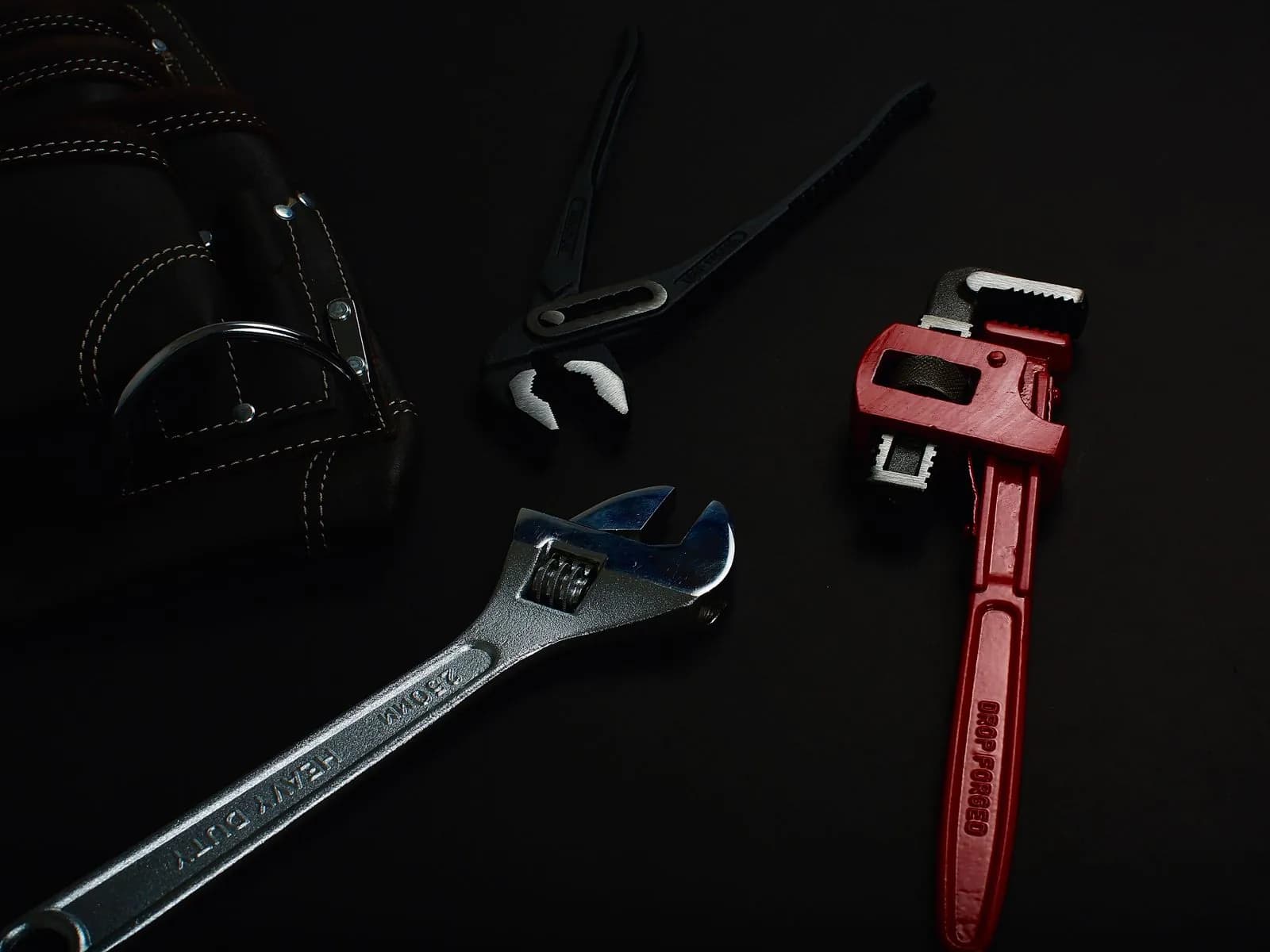
Kitchen grease, hair, soap scum, and the occasional lost object — drains collect all of it, and the clog always forms at the worst time. A plunger handles the easy ones near the drain opening. The stubborn ones sit deeper, where only a pro's cable or hydro-jetter can reach.
Chemical drain cleaners are the temptation to resist: they rarely clear a real blockage, they can damage older pipes, and they turn the eventual pro visit into a chemical-handling job. A proper cleaning removes the buildup instead of just poking a hole through it.
FlowFast Plumbing is a free referral service — we do not do the work ourselves. Tell us which drains are slow and what you have tried, and we will connect you with up to three independent local plumbers.
- Typical first step
- Stop the water source, then document everything with photos.
- Emergency capable
- Yes — call any time water is actively leaking.
Warning signs
Signs you need this service
- A drain that is slow even after plunging.
- Water backing up into a nearby fixture — e.g., the tub fills when the toilet flushes.
- Gurgling sounds from drains or toilets.
- Recurring clogs in the same drain every few weeks.
- Foul odors rising from a drain that used to run clear.
What happens
The process, step by step
Diagnose the clog: the pro checks which fixtures are affected to locate the blockage — one drain means a local clog, several means the main line.
Clear the line: a drain auger (snake) breaks up or retrieves the blockage; hydro-jetting scours grease and scale off the pipe walls.
Camera-verify when needed: for repeat clogs, a sewer camera shows exactly what is in the pipe — roots, bellies, breaks.
Prevent the next one: you get plain-language guidance on what caused it and how to keep it clear.
Cost factors
What influences the cost
Every job is different, so we won't quote prices sight unseen. These are the factors a pro will weigh when pricing your job:
- Clog location — a bathroom sink trap is quick; a main sewer line is a bigger job.
- Method required — snaking versus hydro-jetting versus camera inspection.
- Pipe condition — roots, scale, or collapsed sections found during cleaning.
- Access — cleanout availability makes the job far simpler.
- How many fixtures are affected.
DIY guidance
What you can do — and when to stop
Safe to do yourself
- Plunge with a proper flange plunger, keeping the seal tight.
- Remove and clean the sink stopper or tub strainer — most slow bathroom drains are hair at the stopper.
- Use a small hand auger on a single slow drain.
Stop and call a pro
- Chemical drain cleaners on a fully blocked drain — they sit, heat up, and can damage pipes.
- Repeated snaking of the same drain — recurring clogs signal a deeper problem like roots.
- Multiple fixtures backing up at once — that is a main-line issue for a pro.
Frequently asked questions
Before / After
What the fix looks like
Illustrative examples of a problem state and a fixed state — not photos of FlowFast jobs.
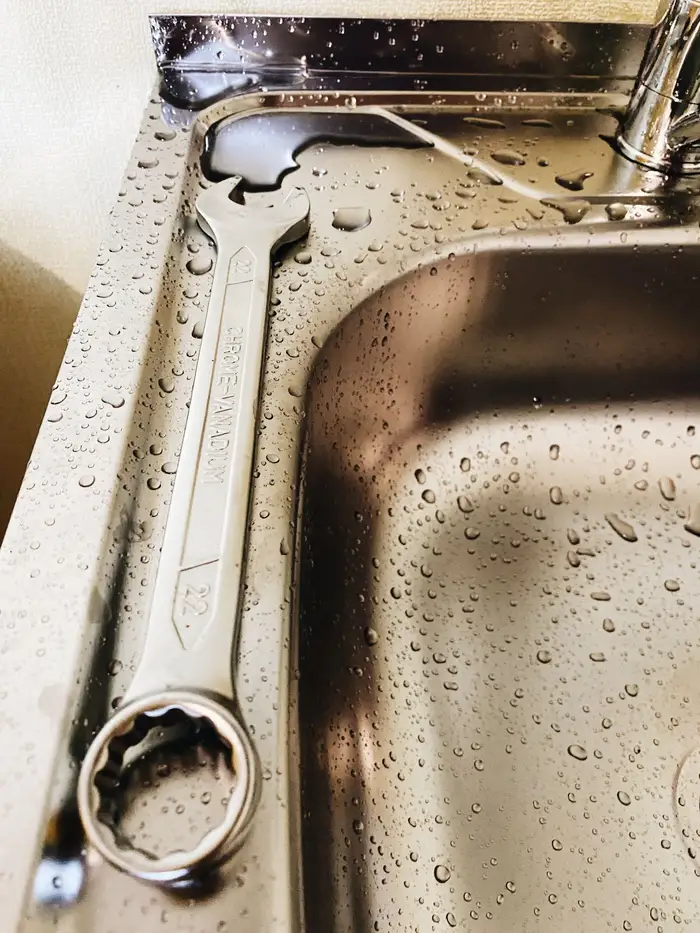
Grimy, slow-draining sink → serviced sink draining freely
Illustrative example photos — actual work is performed by independent local contractors.
Serving towns nationwide
Related services
Helpful guides
Plumbing problem? Don't wait on it.
Tell us what's happening and we'll connect you with an independent local plumber who fits the job.