Short answer
When a pipe bursts, shut off your main water valve immediately — usually at the meter or where the line enters your home — then open the lowest faucets to drain the lines. Kill power to wet areas if safe, photograph the damage, and call a plumber to repair the break. Fast shutoff turns hours of flooding into minutes.
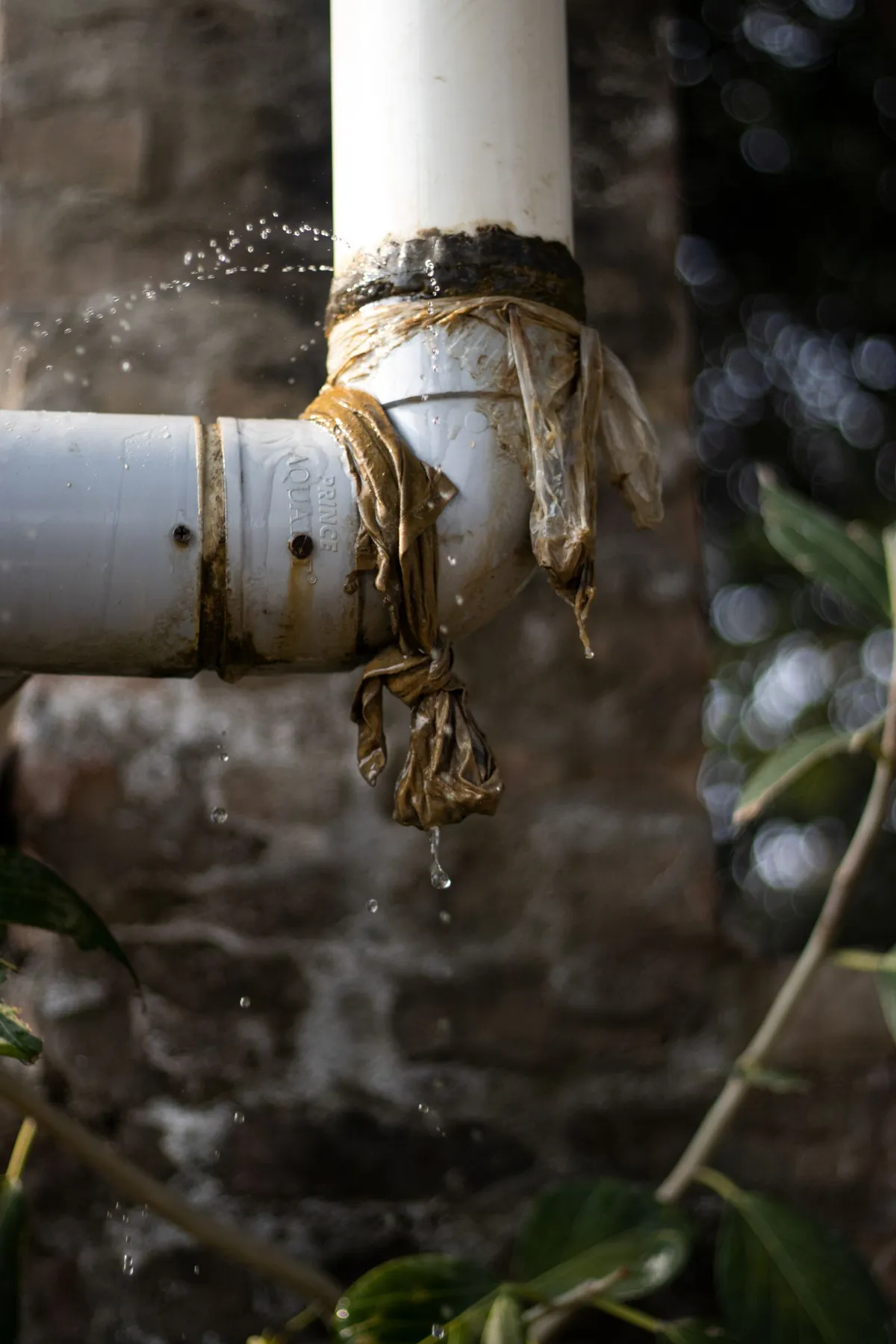
The first two minutes: stop the water
A burst supply line can release an enormous amount of water while you figure out what to do — so the only priority in the first two minutes is the main shutoff. It is usually in a ground-level meter box near the street, where the supply line enters your home (often the garage or utility closet), or near the water heater. Turn it clockwise until it stops.
Once the main is off, open the lowest faucets in the house — typically an outdoor spigot or a downstairs tub — to drain pressure and standing water from the lines. If the burst is at a single fixture and you know its shutoff (the small valves under sinks, behind toilets, at the laundry box), closing that valve stops the flow faster than the main.
- Shut off the main water valve (clockwise to close).
- Open the lowest faucets to drain the lines.
- Kill power to wet areas at the breaker if you can do it safely.
- Photograph the failed pipe and all water damage.
- Call a plumber to repair the break.
Make it safe, then document
Do not walk into standing water near outlets, appliances, or the electrical panel. Water and electricity are a lethal combination, and the danger is not always visible. If you cannot kill power to the wet area safely from a dry location, stay out and wait for help.
Before anything is moved or dried, photograph and video everything: the failed pipe or fitting, waterlines on walls, soaked flooring and belongings. Dated documentation is the foundation of an insurance claim — homeowners who document first have far smoother claims than those who clean up first.
Why pipes burst
Freezing is the most dramatic cause: water expands as it freezes, and the pressure spike splits copper, PEX, and especially older rigid pipe. But most bursts outside freeze season come from age and pressure. Galvanized steel pipe corrodes from the inside until walls thin out, and polybutylene — common in homes built from the late 1970s through the mid-1990s — becomes brittle and fails at fittings.
High water pressure is the quiet accelerator. Pressure above the normal residential range stresses every joint, valve, and supply hose in the house around the clock. A failed pressure regulator or a municipal pressure spike can turn a weakened section into a burst. If you have never checked your home's water pressure, a burst pipe is an expensive way to learn about it.
What a plumber does after you call
The plumber's first job is the repair itself: cutting out the failed section and replacing it, often upgrading the material at the same time. Expect them to check the water pressure, inspect nearby fittings for the same weakness, and pressure-test the repair before they leave.
If significant water escaped, you may also need drying help — a burst pipe is a plumbing repair plus a water cleanup. FlowFast Plumbing is a free referral service: we share your details with up to three independent local plumbing pros so they can contact you, and you work directly with the pro you choose.
Preventing the next burst
Insulate exposed pipes in attics, crawl spaces, garages, and along exterior walls, and let faucets drip during hard freezes. Replace rubber washing-machine hoses with braided stainless steel supply lines — they are one of the most common burst points in any home.
Longer term, know what your pipes are made of. If your home still has galvanized steel or polybutylene supply lines, plan for replacement before they fail on their own schedule. And have the water pressure checked: a simple regulator adjustment protects every pipe, valve, and appliance in the house.