Short answer
Prevent frozen pipes by insulating exposed pipes in attics, crawl spaces, and exterior walls, sealing air leaks near plumbing, and disconnecting outdoor hoses before the first freeze. During hard freezes, let faucets drip and open cabinet doors under sinks on exterior walls. If pipes freeze, shut off the main and call a plumber — never thaw with an open flame.
Which pipes freeze first
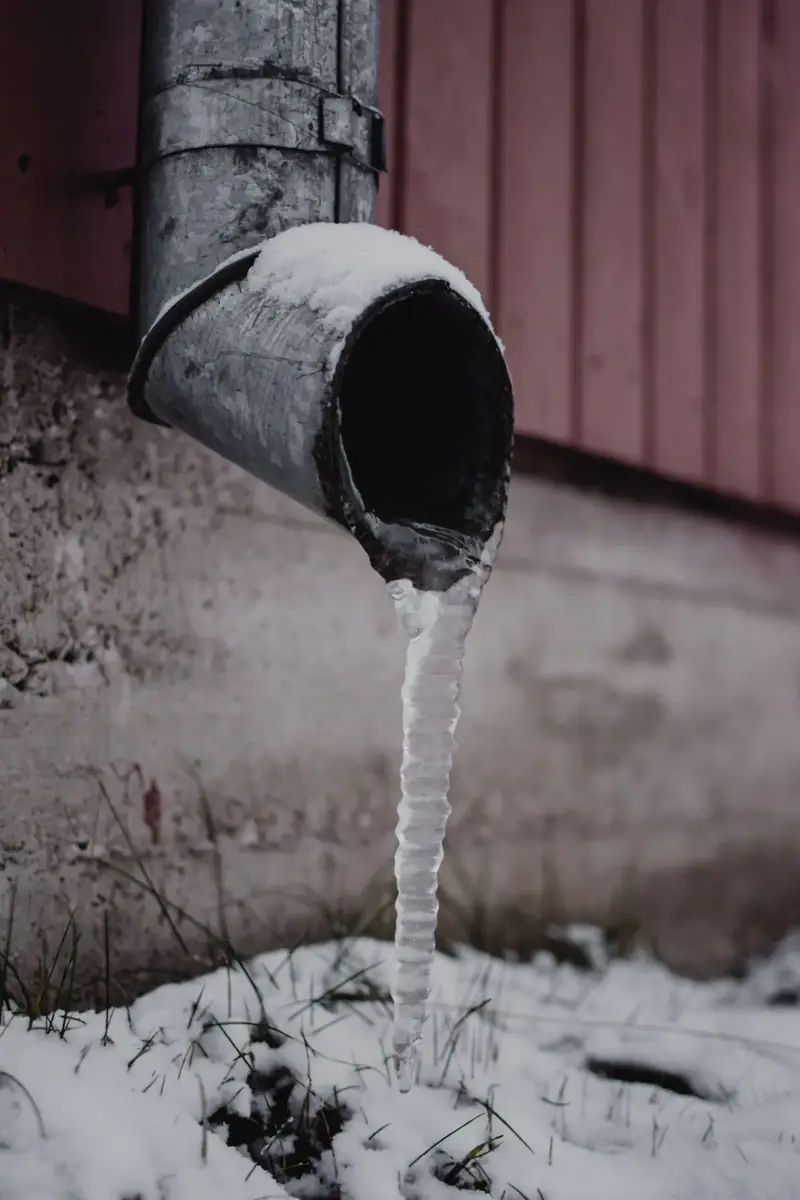
Pipes freeze where cold air reaches them: exterior walls, attics, crawl spaces, garages, and anywhere plumbing runs through unconditioned space. Wind makes it worse — a pipe in a drafty crawl space freezes far faster than the same pipe in still air at the same temperature. The highest-risk runs are the ones you rarely think about until they burst.
Know your home's vulnerable spots before winter: hose bibs and outdoor faucets, supply lines to hose bibs, pipes in the attic feeding upstairs bathrooms, and any plumbing on exterior walls. A ten-minute walkthrough in fall, noting every exposed or exterior-wall pipe, is the foundation of everything that follows.
Insulate before the cold arrives
Foam pipe sleeves are cheap, quick to install, and effective — slit them over every exposed pipe in unheated areas and tape the seams. For the most vulnerable runs, UL-listed heat tape or heat cable adds active protection, but follow the manufacturer's instructions exactly: overlapping heat tape or burying it under the wrong insulation creates a fire hazard.
Equally important is stopping the cold air itself. Seal gaps where pipes penetrate exterior walls, close crawl space vents for winter where local practice allows, and insulate the access doors to attics and crawl spaces. Insulation slows heat loss; sealing stops the arctic blast that overwhelms insulation.
Outdoor plumbing: hoses, bibs, and irrigation
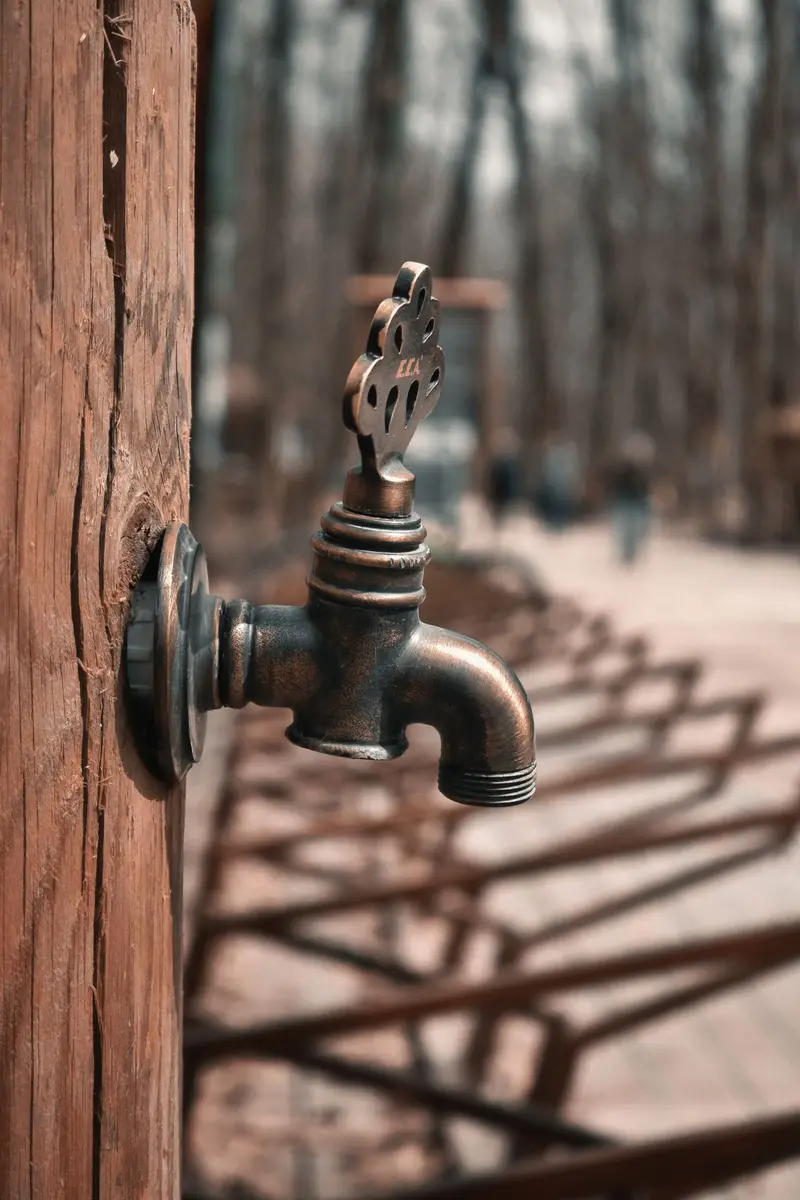
Disconnect every garden hose before the first freeze — a connected hose traps water in the faucet and the supply line behind it, which is exactly how hose bibs burst inside the wall. Drain the hoses, coil them, and store them for winter.
If your hose bibs have interior shutoff valves, close them and open the outdoor faucet to drain the line. Frost-free sillcocks still need the hose disconnected to work as designed. Irrigation systems need their own winterization: shut off the water, drain the lines, and blow out remaining water with compressed air — or have an irrigation pro do it, since the backflow preventer is the expensive part to replace.
During a hard freeze
When temperatures drop into the teens or below for extended hours, let faucets drip — both hot and cold lines have supply pipes that can freeze, so a slight drip on each side matters. Focus on faucets served by exterior-wall or unconditioned-space plumbing. Moving water resists freezing far better than standing water.
Open cabinet doors under sinks on exterior walls so warm room air reaches the pipes, and keep the thermostat steady day and night — the few dollars of heating cost beat a burst pipe by orders of magnitude. Close the garage door if supply lines run through the garage, and never turn the heat off entirely if you leave, even for a day trip.
If a pipe freezes
The signs: a faucet with no water or just a trickle on a freezing morning, frost visible on exposed pipe, or odd smells from a faucet (a blocked pipe can push sewer gas back). First, open the affected faucet slightly to relieve pressure — pressure between the ice blockage and the faucet is what bursts pipes, not the ice itself.
Then shut off the main water valve as a precaution in case the pipe has already split. Thaw gently with a hair dryer, heating pad, or warm towels, working from the faucet back toward the blockage. Never use an open flame, a torch, or a heat gun on high — the fire risk and the risk of damaging the pipe are both real. If you cannot find the frozen section, if the pipe has burst, or if thawing does not restore flow, call a plumber.
Leaving the house for winter
For an extended winter absence, shut off the main water valve and consider having the plumbing professionally winterized — draining the system, the water heater per manufacturer guidance, and adding antifreeze to traps and toilets. Vacant homes are where the worst freeze bursts happen, because nobody is there to notice the first signs.
At minimum, keep the heat set no lower than the mid-50s, have someone check the house periodically, and make sure they know where the main shutoff is. A monitored temperature alarm that alerts your phone is inexpensive protection for a second home or a long trip.