Whole-Home Repiping — When Patches Stop Making Sense
Repiping replaces a home's failing water lines — usually galvanized steel, polybutylene, or pitted copper — with new PEX or copper. The triggers are repeat leaks, rusty water, and low pressure throughout the house. FlowFast connects you with an independent local plumber for repiping estimates.
- Connected with an independent local pro — never a call center queue.
- The process explained up front, before anyone picks up a wrench.
- Serving all 50 states.
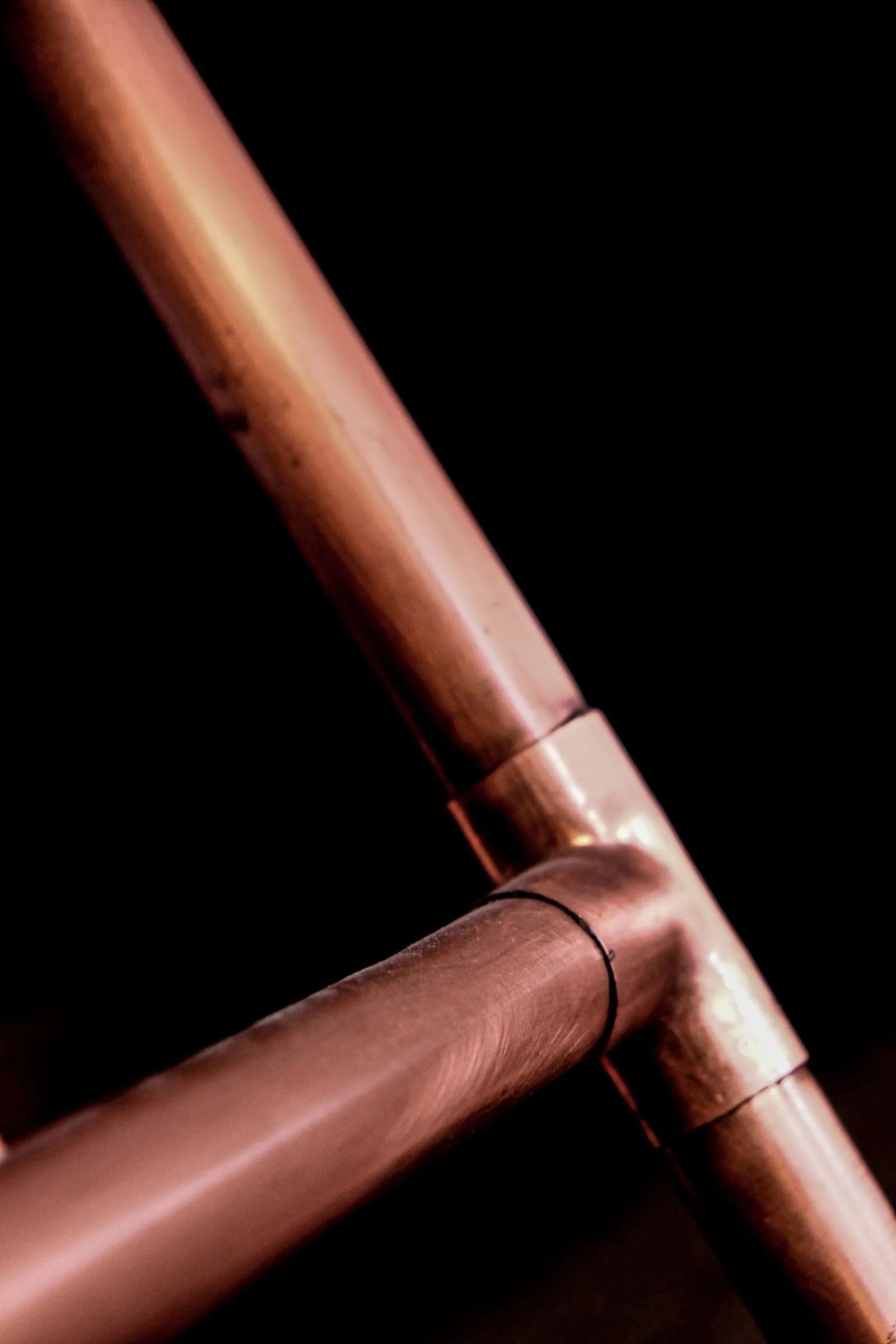
Every home's pipes have a lifespan. Galvanized steel rusts from the inside until flow chokes to a trickle. Polybutylene becomes brittle and fails at fittings. Even copper eventually pits through in aggressive water. When leaks become a pattern rather than an event, the system is telling you it is done.
Repiping is a bigger project than a repair call, but it ends the cycle: new PEX or copper lines, new valves and stops, and water pressure and quality restored throughout the house. Most whole-home repipes take a few days with water restored each evening.
FlowFast Plumbing is a free referral service. Repiping deserves multiple quotes — we connect you with up to three independent local plumbers so you can compare materials, scope, and approach.
- Typical first step
- Stop the water source, then document everything with photos.
- Emergency capable
- For active emergencies, call and we'll route you immediately.
Warning signs
Signs you need this service
- Two or more pipe leaks within a year or two.
- Rusty, brown, or metallic-tasting water from taps.
- Noticeably low water pressure throughout the house.
- Visible corrosion or flaking on exposed pipes.
- Galvanized steel or polybutylene pipe still in service.
What happens
The process, step by step
System assessment: the pro maps your pipe materials, leak history, and pressure to confirm repiping is the right call.
Material and scope plan: PEX versus copper, which lines get replaced, and how the work sequences through the home.
Phased installation: new lines run with minimal openings; water is typically restored each evening.
Patch and test: pressure tests, fixture reconnection, and drywall patching plan for the openings made.
Cost factors
What influences the cost
Every job is different, so we won't quote prices sight unseen. These are the factors a pro will weigh when pricing your job:
- Home size — bathrooms, stories, and total fixture count.
- Pipe material choice — PEX versus copper.
- Access — slab versus crawl space versus basement.
- How much drywall and finish work the openings require.
- Whether the water heater, main valve, and pressure regulator are replaced too.
DIY guidance
What you can do — and when to stop
Safe to do yourself
- Identify your pipe material — a magnet sticks to galvanized steel, not to copper.
- Document leak locations and dates to show the pattern to pros.
- Test water pressure with a hose-bib gauge to quantify the problem.
Stop and call a pro
- Repiping is not a DIY project — permits, pressure testing, and code compliance require a licensed pro.
- Do not cap or abandon old lines inside walls without a plan — dead legs stagnate.
- Disturbing old pipe insulation that may contain asbestos — test first.
Frequently asked questions
Before / After
What the fix looks like
Illustrative examples of a problem state and a fixed state — not photos of FlowFast jobs.
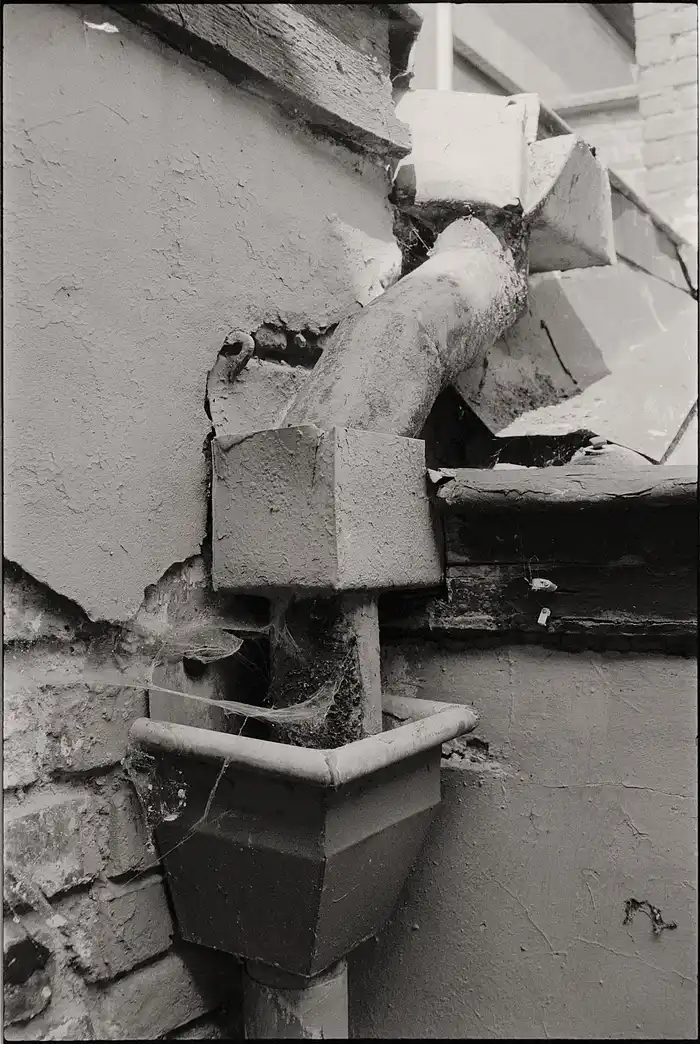
Corroded pipe → new copper piping
Illustrative example photos — actual work is performed by independent local contractors.
Serving towns nationwide
Related services
Helpful guides
Plumbing problem? Don't wait on it.
Tell us what's happening and we'll connect you with an independent local plumber who fits the job.