Plumbing problem? Get connected with a local plumber.
A burst pipe, a dead water heater, a drain that won't clear — plumbing problems don't wait for business hours. FlowFast Plumbing is a free referral service: tell us what's happening and we'll connect you with an independent local plumber in your area who fits the job. The pro diagnoses the problem, explains the fix in plain language, and you work directly with them.
Emergency calls routed first for burst pipes and active leaks.
FlowFast connects you with independent local plumbing pros. It does not perform plumbing work itself.
A nationwide plumbing connection that explains the job in plain language before anyone picks up a wrench — then connects you with an independent local plumber who fits the work.
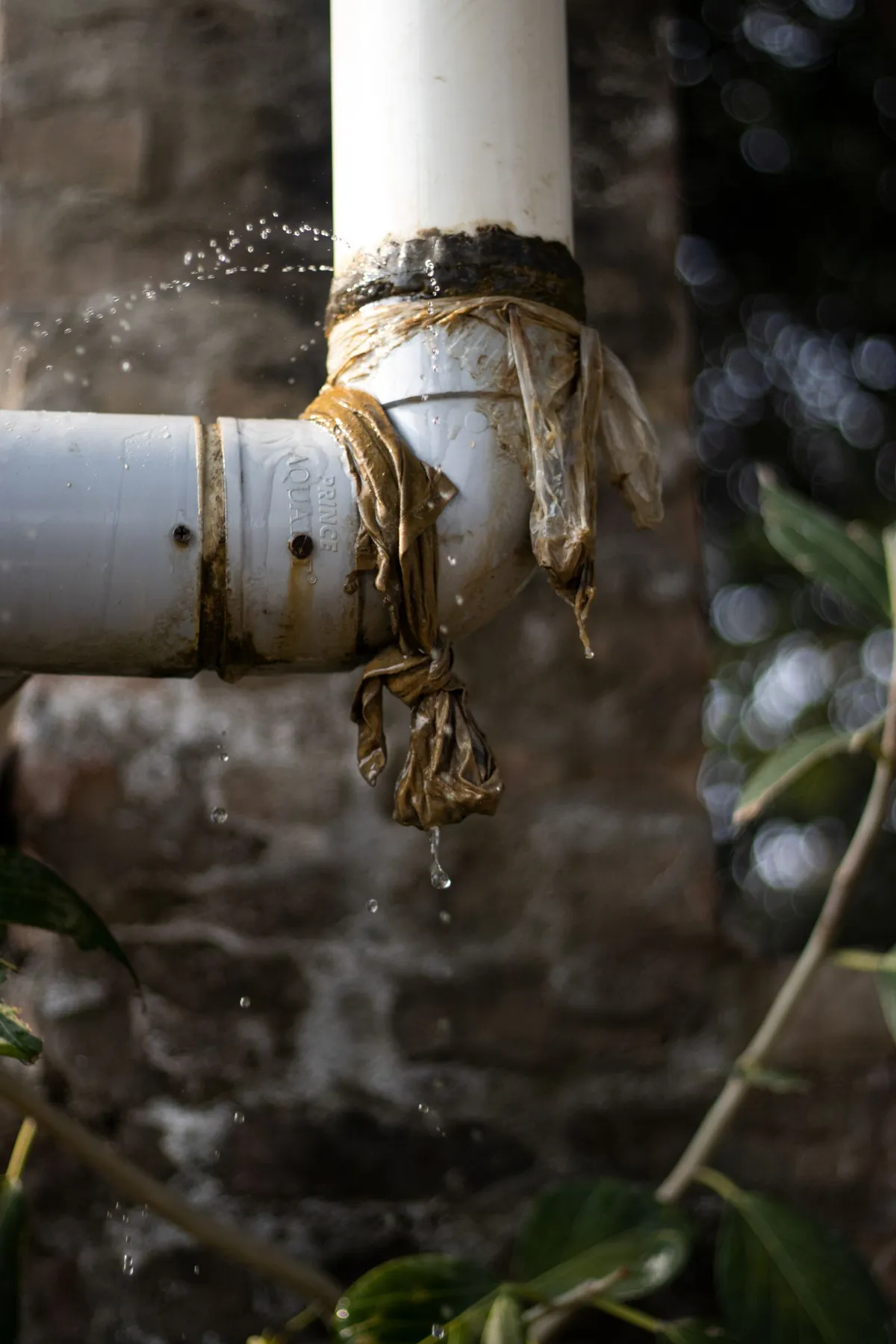
Burst pipe or active leak?
Skip the form — call and emergency requests route first for burst pipes and flooding.
New York City · Buffalo · Rochester · Yonkers · Syracuse
Check your ZIP
Get connected
A few details and we'll match you with a local plumber.
FlowFast connects you with independent local plumbing pros. It does not perform plumbing work itself.
Nationwide know-how
Plumbing knowledge that changes the job
Plumbing problems follow patterns — water quality, weather, and housing age shape every call.
Hard water shortens heater life
Much of the country's municipal supply is mineral-heavy. Scale builds up inside tank water heaters, crusts fixtures, and kills appliances years early — which is why heaters in hard-water states fail in whole subdivisions at once.
Freeze snaps find the weak pipe
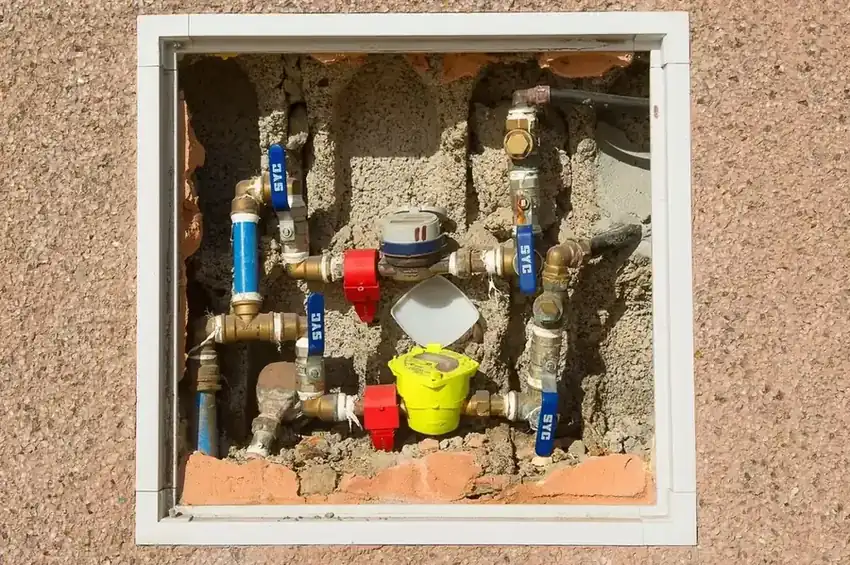
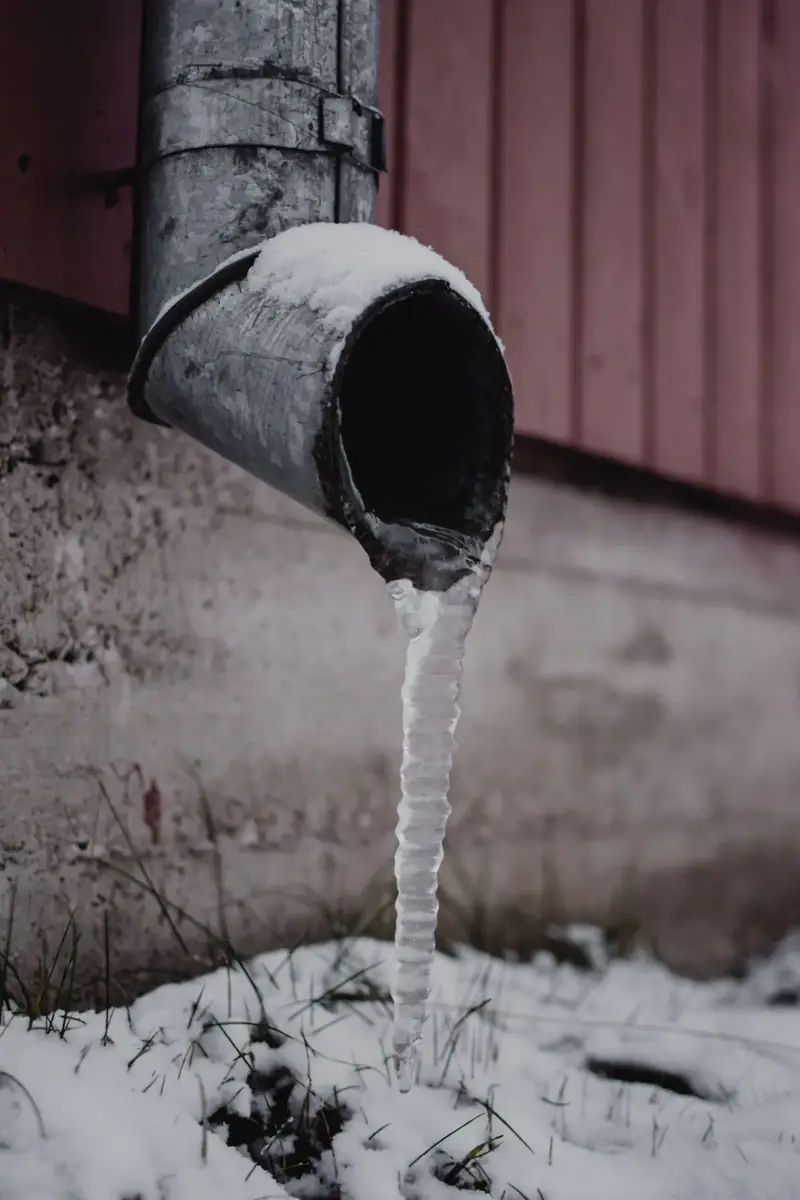
It only takes one hard freeze to burst an uninsulated attic run or exterior-wall pipe. Know where your main water shutoff is before winter — the first minute after a burst decides how bad the damage gets.
Soil moves — buried pipes feel it
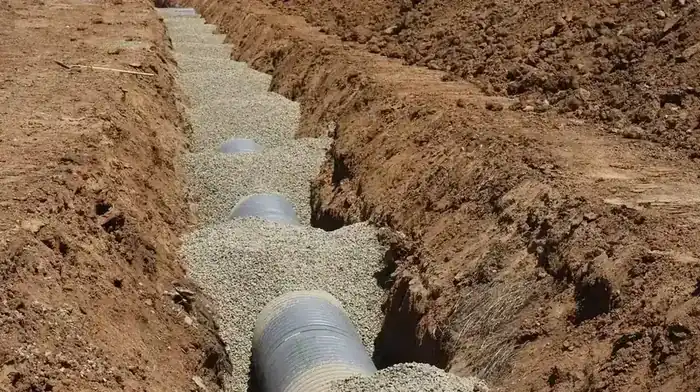
Expansive clay swells when wet and shrinks when dry, stressing the water lines buried under slab foundations. Warm spots on floors, the sound of running water with everything off, and a spiking bill are the classic slab-leak signs.
Learn
Guides for homeowners
Straight answers on what to do first, what to avoid, and how to hire the right plumber.
It depends on the pro's current workload, your location, and conditions — freezes and storms spike demand everywhere. Requesting help now puts you in the queue, and true emergencies route first when water is actively flowing. We never promise a specific arrival time we cannot control.
The main factors are what failed and where it is located, the pipe material and home layout, whether walls or concrete must be opened, parts needed, and timing — nights and weekends typically carry an emergency rate. We do not quote prices sight unseen; a pro assesses your specific job.
No. FlowFast is a free referral service. We connect you with up to three independent local plumbing professionals, and you work directly with the pro you choose. We do not employ plumbers, own trucks, or perform the work ourselves.
Shut off the water main first — know where it is before an emergency. Then kill power or gas to a leaking water heater, move valuables out of the water's path, and photograph damage for insurance. Then call: if water is still flowing, it is an emergency request.
We advise against it for real blockages. Chemical cleaners rarely clear anything beyond minor buildup, they can damage older pipes, and they make the eventual professional visit hazardous. A plunger or hand auger is safer; a pro's cable or hydro-jetter solves the stubborn ones.
Safe DIY covers plunging, cleaning stoppers and aerators, replacing a toilet flapper, and shutting off the water main. Call a pro for anything inside walls, anything gas-related, sewage, main-line clogs affecting multiple fixtures, and installations requiring permits.
We connect homeowners with independent plumbers across all 50 states — from major metros to smaller cities. Enter your ZIP on any location page to check coverage in your area.
Repair when the unit is under about 8 years old and the problem is a replaceable part — element, thermostat, or valve. Replace when the tank itself leaks, the unit is past 10–12 years, or you are calling for repairs every year.
The most common cause is a hidden leak — a running toilet, a weeping supply line, or a slab leak. Check the water meter: note the reading, use no water for two hours, and read it again. If it moved, you have a leak worth professional detection.
They solve different problems: softeners remove hardness minerals (scale, spots), while filters address taste, odor, chlorine, and sediment. A simple water test shows what your water actually needs — get tested before buying equipment.