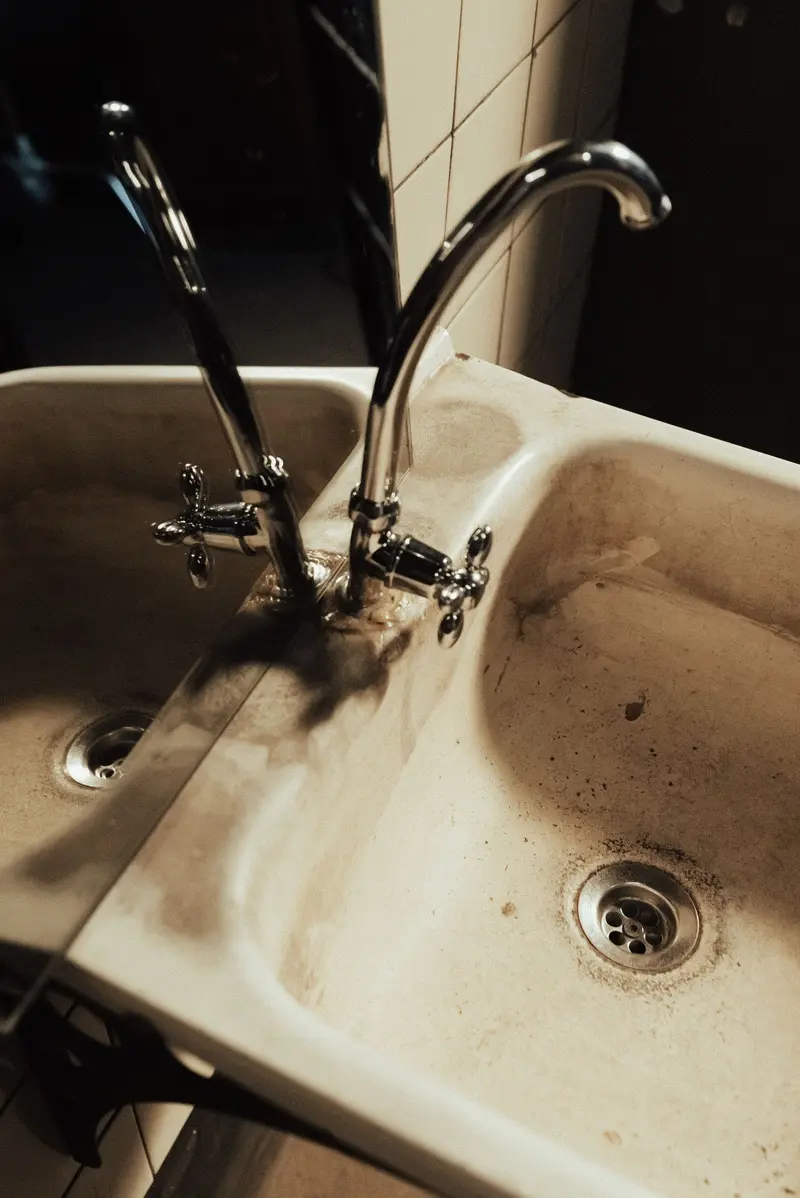
Short answer
Never put grease, coffee grounds, eggshells, flour, paint, or 'flushable' wipes down drains — they cause most household clogs. Wipe greasy pans with a paper towel first, use drain strainers, and flush with hot water after dish soap. In disposals, feed small amounts of soft food waste with cold running water; never add fibrous foods, bones, or grease.
The clog hall of fame
Most household clogs are not mysteries — they are the predictable result of what goes down the drain. Cooking grease tops the list: it goes down liquid and solidifies in the pipes, narrowing them layer by layer until flow chokes. Coffee grounds clump into a dense sediment, eggshell membranes wrap around disposal parts, and flour plus water makes a paste that behaves like glue inside pipes.
Then there are the non-food offenders. So-called 'flushable' wipes do not break down like toilet paper and are a leading cause of main-line blockages. Paint, solvents, and harsh chemicals damage pipes and septic systems alike. Hair combined with soap scum is the standard bathroom drain clog — slow, inevitable, and entirely preventable with a two-dollar strainer.
Grease: the number-one offender
Grease deserves its own section because it causes more plumber visits than anything else you control. Hot water and dish soap do not solve it — the grease simply travels further down the line before cooling and solidifying, moving the clog somewhere harder to reach. Over months, the buildup narrows the pipe until even normal flow backs up.
Build the wipe-first habit: scrape plates into the trash and wipe greasy pans with a paper towel before they touch the sink. Collect cooking oil in a jar or can and throw it out with the trash (many municipalities also accept it at recycling drop-offs). Your drains, your disposal, and your main sewer line all benefit.
Garbage disposal rules
A disposal is a convenience for small food scraps, not a trash can. Run cold water before, during, and after grinding — cold water keeps grease solid so the disposal can chop it and the flow can carry it away, while hot water melts grease that re-solidifies downstream. Feed scraps gradually in small amounts, never all at once.
Never put fibrous foods (celery, onion skins, corn husks, artichokes) in a disposal — the fibers wrap around the impellers and jam the unit. Bones, fruit pits, coffee grounds, and grease are all out. If the disposal hums but does not spin, it is jammed: turn it off, press the red reset button underneath, and if that fails, call for help rather than reaching inside — ever.
- Cold water running before, during, and after use.
- Small amounts of soft food scraps, fed gradually.
- Never: fibrous foods, bones, pits, coffee grounds, grease.
- Never put your hand inside — use tongs or call a pro.
- Run it regularly; idle disposals corrode and seize.
Bathroom drains and monthly habits
Bathroom clogs are almost always hair plus soap. A mesh strainer over every tub and shower drain catches the hair before it becomes a problem — empty it weekly and you will rarely need anything stronger. In sinks, the pop-up stopper assembly collects its own share; pulling it periodically and clearing the gunk prevents the slow-drain creep.
For monthly maintenance, enzyme-based drain cleaners are the safe choice: they digest organic buildup without attacking pipes. Save the caustic chemical drain cleaners for rare emergencies at most — repeated use damages pipes, destroys the finish on fixtures, and creates a chemical hazard for anyone who later opens the drain, including your plumber.
When DIY stops working
One slow drain responding to a plunger or a drain snake is normal homeowner territory. The line for calling a pro is clear: clogs that return weeks after clearing, multiple fixtures backing up together, gurgling from unrelated drains, or sewage odors. These signal buildup or damage deeper than any consumer tool reaches.
A pro clears with a motorized auger or hydro jetting — high-pressure water that scours the pipe interior — and can run a camera to show you exactly what is going on. If a 'simple clog' has defeated two rounds of DIY, stop and get the diagnosis; the third round of chemicals is when pipes get damaged.