Plumbing guides for homeowners
Straight answers on plumbing: what to do in the first hour of a leak, how to hire the right pro, and how to prevent the most common problems. General information — not a substitute for a professional assessment of your home.
1 guide
Emergency
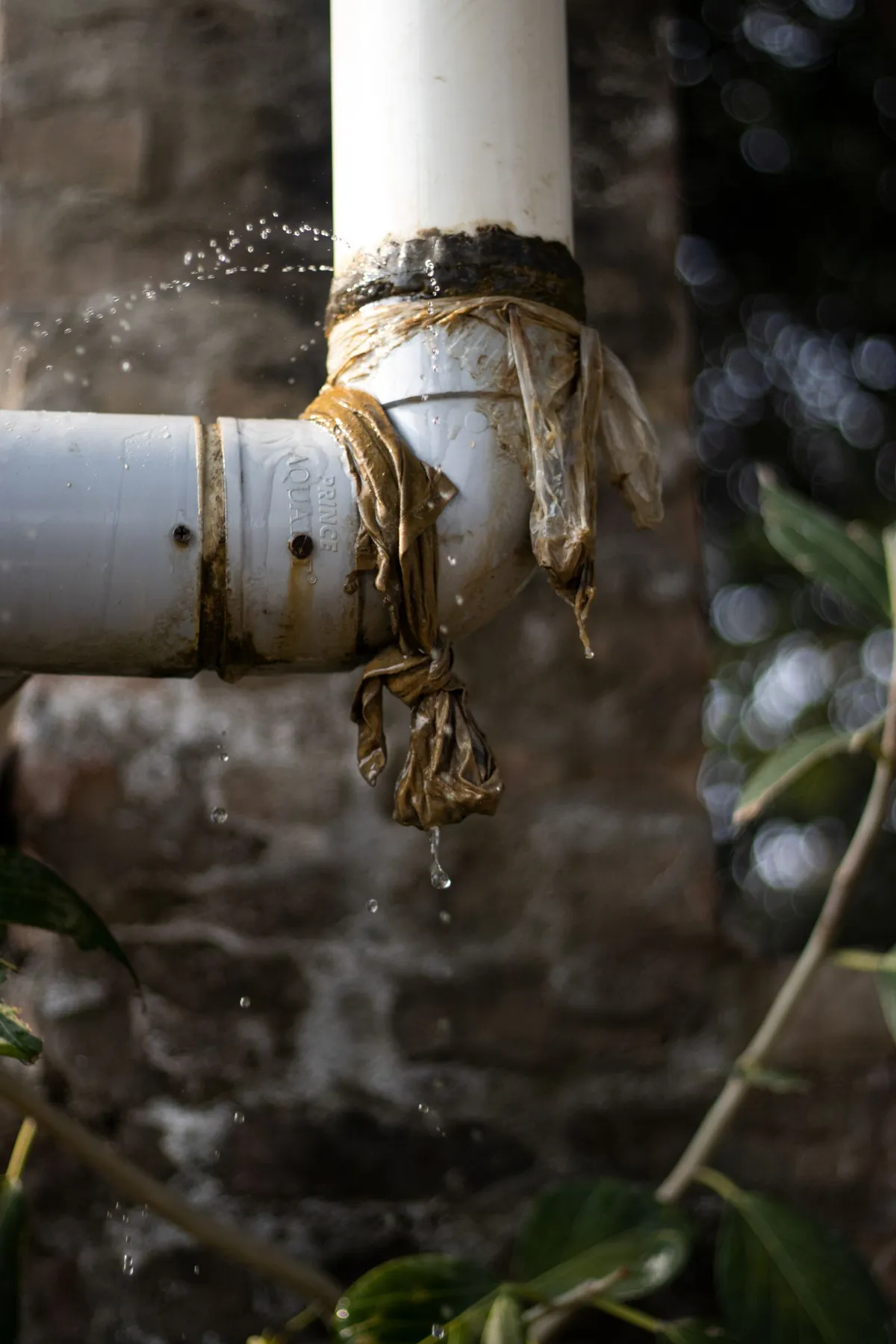
1 guide
Hiring a Pro
1 guide
Drains & Sewers
1 guide
Buying Guides
5 guides
DIY & Prevention
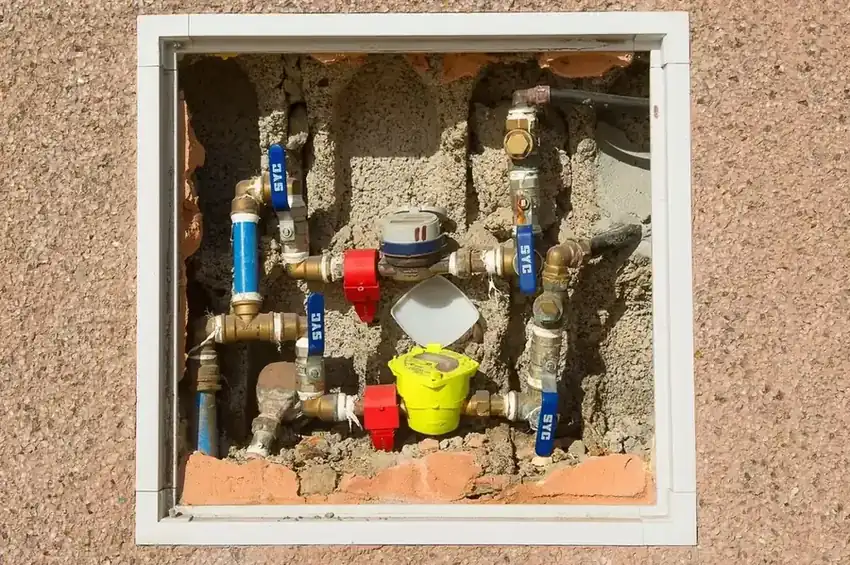
How to Shut Off Your Water Main (Before You Need To)
Find your main shutoff before an emergency: check the meter box near the street, where the supply line enters your home, or near the water heater. Turn the valve clockwise — a quarter-turn for ball valves, several turns for gate valves — then open the lowest faucet to confirm the water stops.
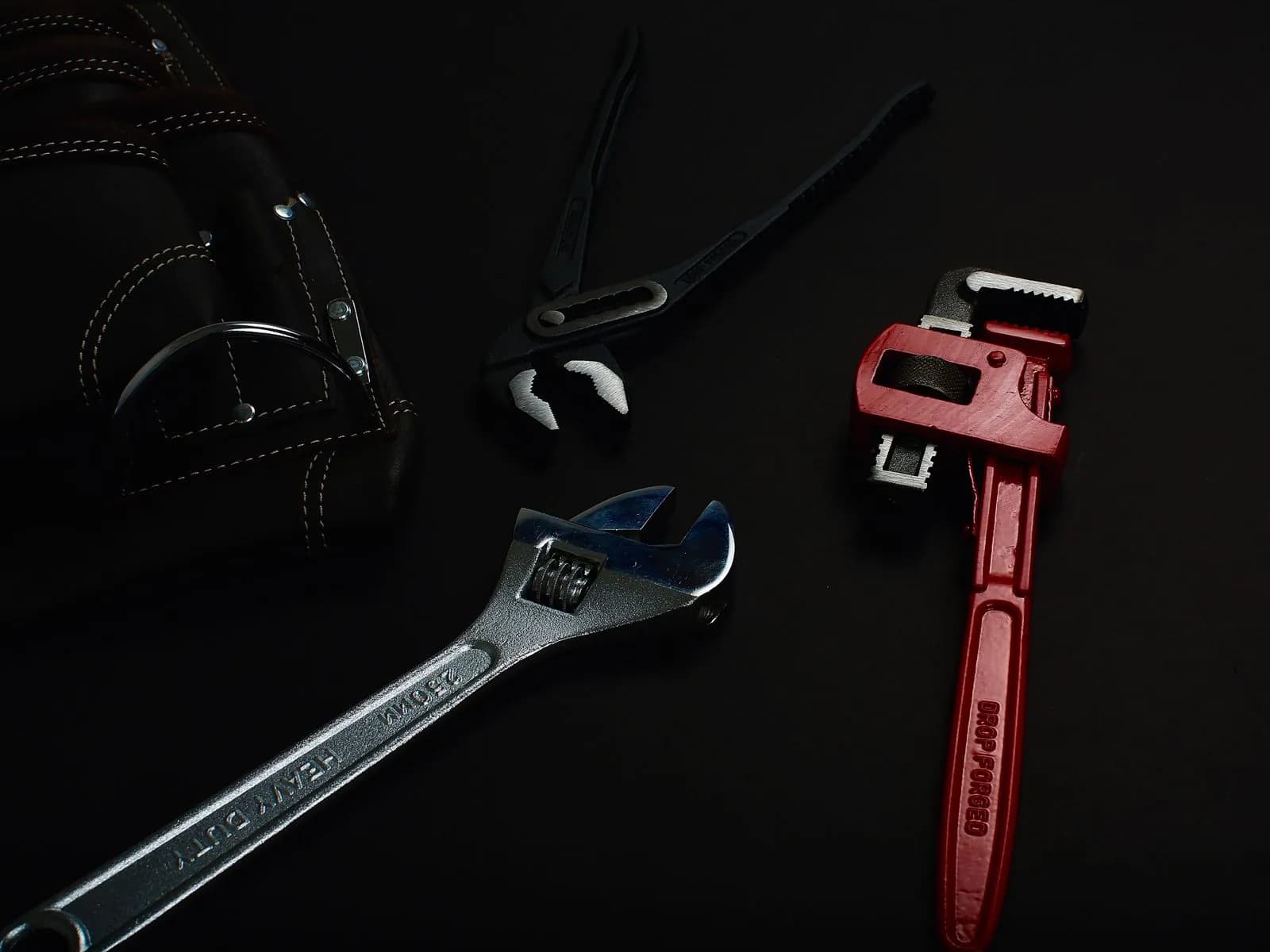
Drain Care: What Never to Put Down Your Drains (and Disposal)
Never put grease, coffee grounds, eggshells, flour, paint, or 'flushable' wipes down drains — they cause most household clogs. Wipe greasy pans with a paper towel first, use drain strainers, and flush with hot water after dish soap. In disposals, feed small amounts of soft food waste with cold running water; never add fibrous foods, bones, or grease.
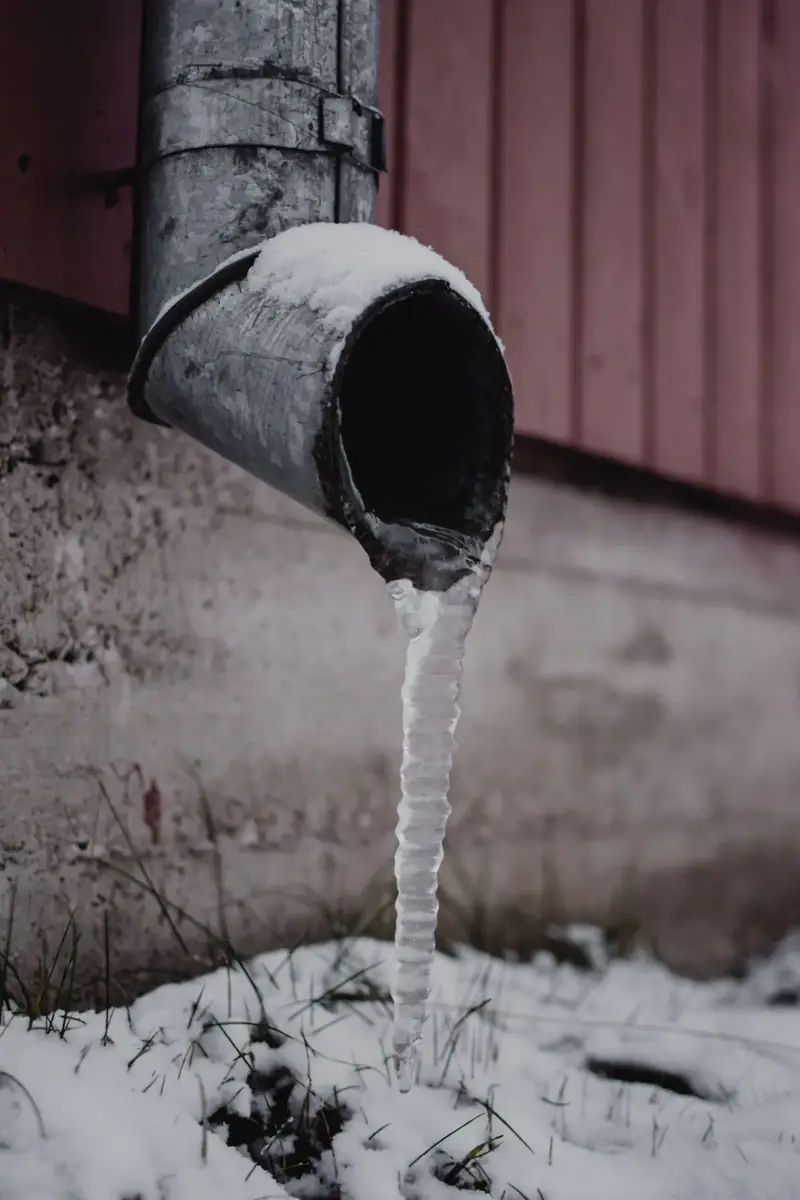
How to Winterize Your Plumbing and Prevent Frozen Pipes
Prevent frozen pipes by insulating exposed pipes in attics, crawl spaces, and exterior walls, sealing air leaks near plumbing, and disconnecting outdoor hoses before the first freeze. During hard freezes, let faucets drip and open cabinet doors under sinks on exterior walls. If pipes freeze, shut off the main and call a plumber — never thaw with an open flame.
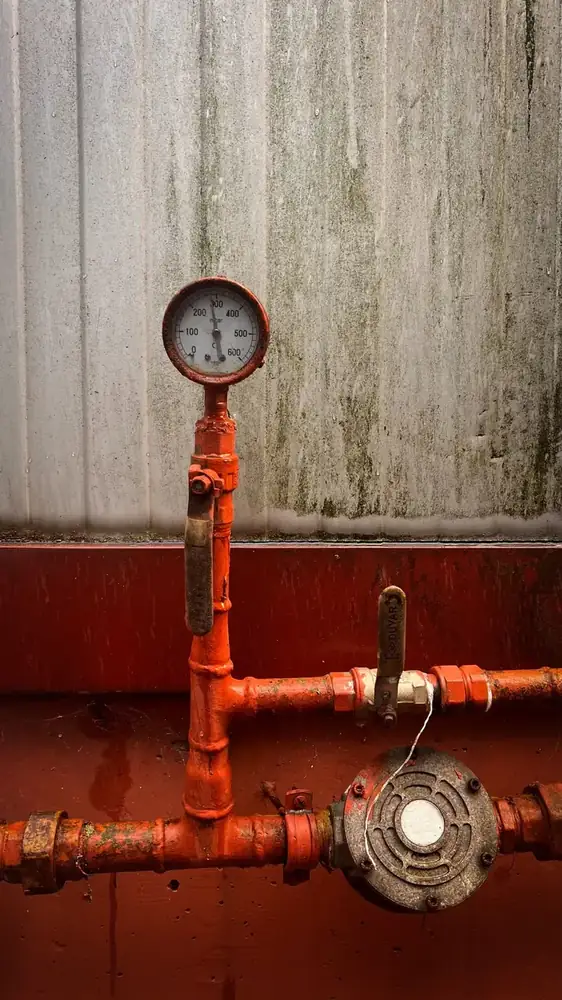
Low Water Pressure: Causes and Fixes That Actually Work
Low water pressure often comes from a partially closed main valve, a clogged aerator, a failing pressure regulator, hidden leaks, or mineral buildup in older pipes. Start with easy checks: clean aerators, confirm valves are fully open, and ask neighbors if they notice it too. If pressure drops across the whole house or keeps falling, have a plumber diagnose it.
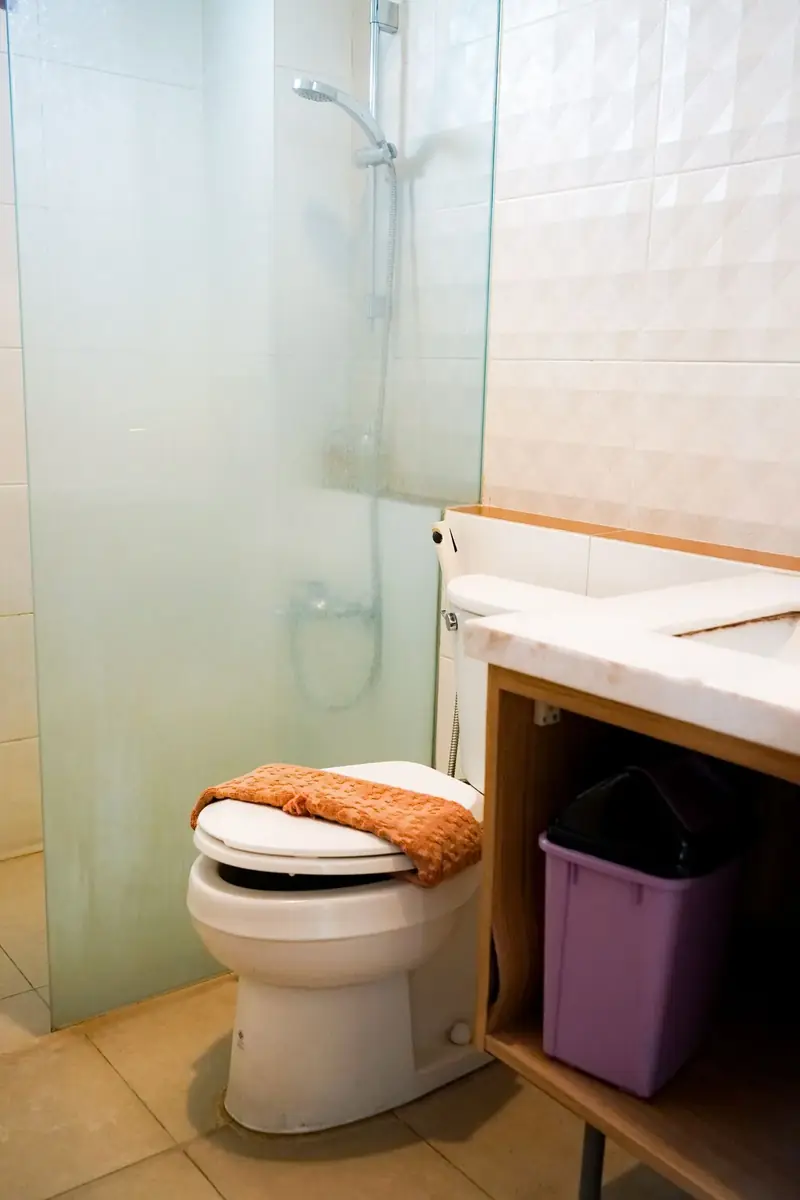
Toilet Running? How to Stop It in 15 Minutes
A running toilet usually means a worn flapper, a misadjusted fill valve, or a chain that's too short or tangled. Lift the tank lid, check that the flapper seals fully, adjust the float to the fill line, and untangle the chain. These are safe, simple fixes — but if tank parts are corroded or the toilet runs, call a plumber.
Reading is good. Fixing it is better.
If you have a plumbing problem now, guides can wait — get connected with an independent local plumber.