Short answer
Tank water heaters cost less upfront and install simply, storing 40–50 gallons for steady demand. Tankless units cost more but heat water on demand, last longer, and save space — though they need adequate gas or electrical capacity and can struggle with simultaneous high demand. Household size, fuel type, and available space decide the winner.
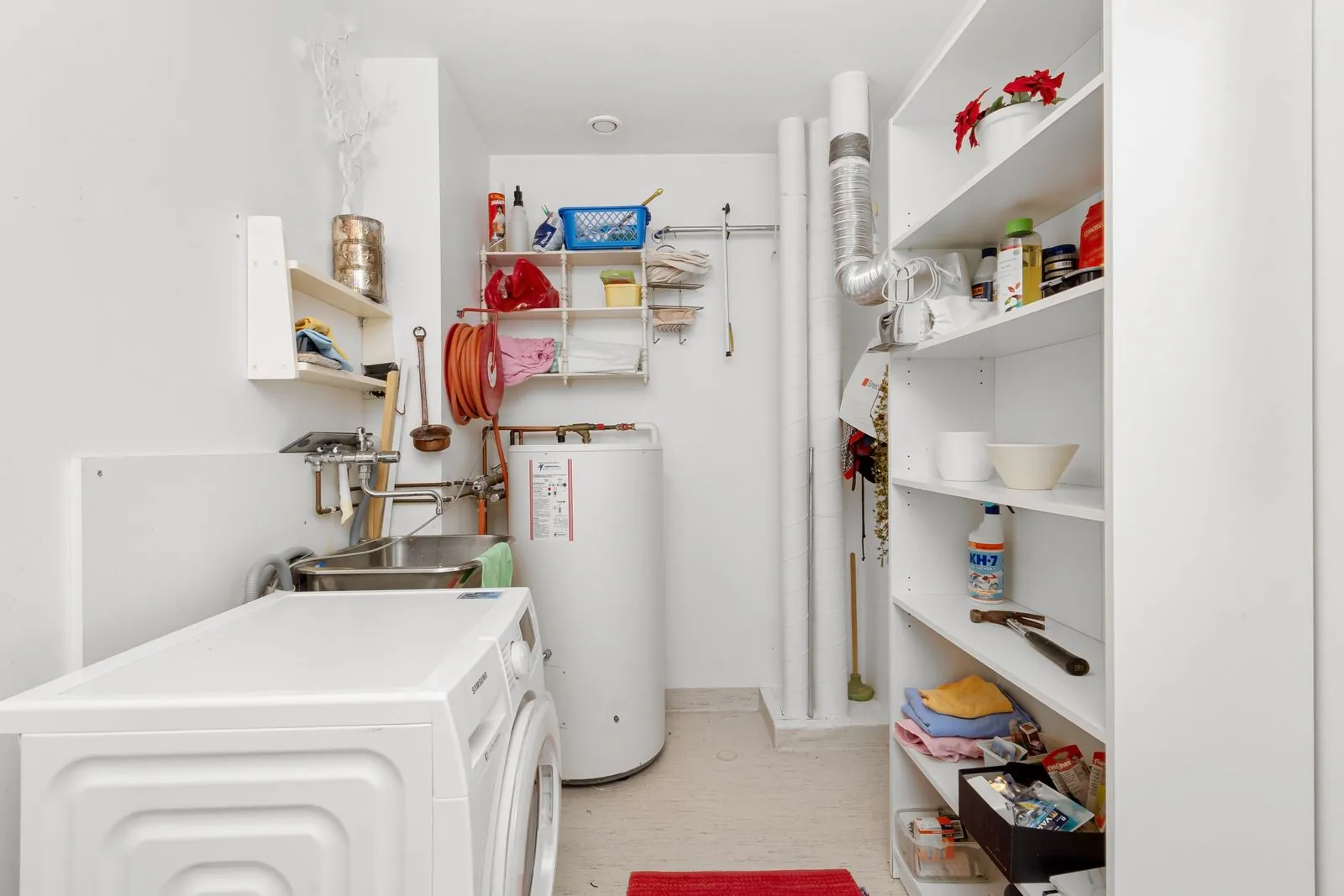
How tank water heaters work
A tank heater keeps 40, 50, or 75 gallons of water hot around the clock, refilling and reheating as you draw from it. Gas models heat faster and recover quicker; electric models are simpler to install but slower to recover. The key spec is recovery rate — how fast it reheats a depleted tank — alongside the first-hour rating, which tells you how much hot water it delivers in a busy morning hour.
Tanks are the devil you know: straightforward installation, widely available parts, and any plumber can service them. Their weaknesses are standby heat loss (keeping water hot all day costs energy), a fixed supply that runs out, and a tank that eventually corrodes from the inside out.
How tankless water heaters work
Tankless units heat water only when a tap opens, passing it over a high-powered burner or heating elements. No stored water means no standby loss and no 'we ran out of hot water' — but it also means a flow limit. The critical spec is flow rate in gallons per minute (GPM): the unit must handle your peak simultaneous demand, like a shower plus the dishwasher.
Climate matters more than brochures admit. Tankless output depends on the temperature rise needed — heating 40°F groundwater in a northern winter demands far more power than heating 70°F water in the South. An undersized unit in a cold climate delivers a lukewarm shower when two fixtures run at once.
Sizing for your household
For tanks, match capacity to simultaneous use: a 40-gallon tank suits one to two people with staggered showers, while larger households or back-to-back showers need 50 gallons or more. For tankless, add up the GPM of fixtures you run at once — a shower is roughly 2 GPM, a dishwasher about 1.5 — and size the unit above that total for your climate's groundwater temperature.
Fuel type often decides before you do. Homes with existing gas service usually favor gas units for operating cost and recovery speed; all-electric homes compare electric tank vs. electric tankless, where the tankless may need a significant electrical panel upgrade to feed its heating elements.
Installation realities
Swapping a tank for the same type is usually straightforward. Switching to tankless is a project: gas units often need a larger gas line, special stainless venting, and a condensate drain; electric units may need heavier wiring and breaker capacity. Condensing tankless models are more efficient but add the condensate drain requirement.
This is permitted, pro-installed work in most jurisdictions — gas lines, venting, and pressure relief are not DIY territory. Get the installation quoted alongside the unit, because the install cost difference between 'same-type swap' and 'tank-to-tankless conversion' is often larger than the price gap between the units themselves.
Maintenance that extends its life
Tank heaters die from the inside: sediment bakes onto the bottom, the anode rod sacrifices itself to corrosion, and eventually the tank rusts through. Flushing sediment yearly and replacing a depleted anode rod every few years are the two highest-value maintenance tasks in all of home plumbing. Set the thermostat to 120°F — hot enough for comfort, cooler than scalding, and easier on the tank.
Tankless units need descaling, especially in hard-water areas where mineral buildup chokes the heat exchanger. Many manufacturers require documented descaling to honor warranties. A whole-house water softener or scale filter upstream of any heater pays for itself in lifespan.
When to replace instead of repair
Repair makes sense for thermostats, heating elements, gas valves, and igniters — the parts outside the tank. Replace when the tank itself is the problem: rust-colored hot water, rumbling or popping from heavy sediment, moisture or rust at the tank base, or age past the typical lifespan. A leaking tank cannot be patched reliably; it is a replacement.
If your tank is over a decade old and needs a major part, put the repair money toward the new unit instead. And if you are replacing anyway, that is the moment to seriously price the tankless conversion — the incremental install cost hurts least when you are already paying for an install.