
Mesa, AZ · Sewer Lines
Sewer Lines in Mesa, AZ
When several drains in your Mesa home gurgle, slow, or back up together, the problem is not in the house — it is in the sewer line. FlowFast Plumbing connects you with an independent local plumber who diagnoses sewer lines with cameras and fixes them, repair or replacement.
Sewer line trouble announces itself unmistakably: sewage smells, soggy patches in the yard, backups in the lowest drain. In Mesa, FlowFast connects you with an independent local pro who finds the break, the belly, or the roots — then lays out your options.
- Independent local plumbers taking jobs across Mesa and Maricopa County County.
- FlowFast connects you with independent local plumbing pros. It does not perform plumbing work itself.
Mesa
Sewer lines in Mesa: the local picture
Maricopa County County's older neighborhoods keep sewer cameras busy. Slab-on-grade construction hides leaks until damage is extensive. Add shifting soil: caliche and expansive desert soils moves with moisture cycles, stressing buried supply lines and slab foundations — a leading cause of slab leaks., and the pattern is unmistakable: root intrusions and offset joints, block after block.
In Mesa, sewer laterals fail on schedule with the housing. Slab-on-grade construction hides leaks until damage is extensive. Flat and low-slope roofs across the city need clear drainage before monsoon season. Clay and cast-iron laterals of a certain age invite roots at every joint — and local pros know which blocks are in the window.
- City
- Mesa, AZ
- County
- Maricopa County County
- ZIP codes
- 85201, 85203, 85204
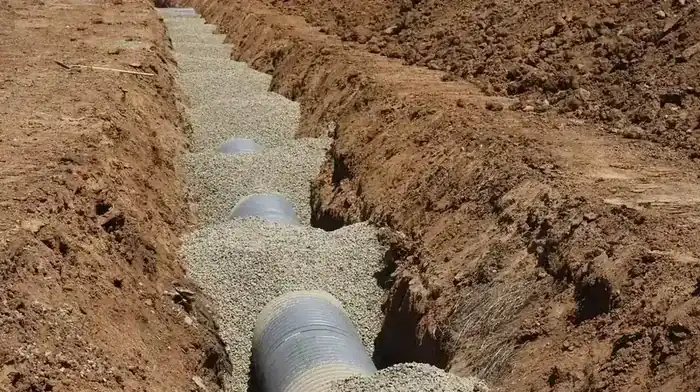
Signs your sewer line is failing
Sewer symptoms are distinctive — they hit multiple fixtures at once and they smell. If your Mesa home shows these, the lateral deserves a camera.
- Sewage backing up into the lowest drains — tubs, showers, or floor drains.
- Multiple fixtures clogging or gurgling at the same time.
- A persistently soggy or sunken patch in the yard above the sewer line.
- Sewage odors inside the home or around the property.
- The same main-line blockage returning months after a cleaning.
From camera to fix — what's covered
Nobody should dig up a yard on a guess. Sewer work starts with a camera, and every recommendation after that points at something the camera saw.
- Camera inspection of the lateral to see the exact defect — roots, break, belly, or collapse.
- Locating and marking the problem spot from above ground.
- Clearing of root intrusions and blockages where the pipe is still sound.
- Spot repair options for isolated damage versus full replacement for failed lines.
- Trenchless options explained where the line qualifies — less digging, same new pipe.
- A clear report: what is wrong, where, and what each fix path involves.
What to do when you suspect sewer trouble
Stop using water strategically and document what you see. Then let the pro take it from there.
Safe to do now
- Note the pattern — which fixtures, how often — and share it with the pro.
- Keep trees and deep-rooted shrubs away from the known line path.
- Know where your sewer cleanout is before you need it.
Stop — call a pro
- Digging to expose the line yourself — utilities and trench safety are pro territory.
- Repeated chemical treatments for main-line root problems — they do not fix the pipe.
- Ignoring recurring main-line backups — each one risks interior sewage damage.
From symptoms to solution
Sewer jobs follow the evidence underground. Here is the typical sequence.
Camera inspection: the pro scopes the line from a cleanout and shows you exactly what is wrong — roots, breaks, bellies, or collapse.
Options and method: spot repair, trenchless replacement, or traditional dig — matched to the damage and your property.
Permits and locate: sewer work needs permits and utility marking; a reputable pro handles both.
Replace and restore: the new line goes in, is tested and inspected, and the surface is restored.
Repair or replace? What decides it
A single root intrusion and a collapsed clay lateral are different jobs entirely. These factors draw the line between repair and replacement.
- Repair method — spot repair versus trenchless versus open trench.
- Line length, depth, and pipe diameter.
- What is above the line — driveway, patio, landscaping, or mature trees.
- Extent of damage — isolated break versus full-length failure.
- Permits and inspections required by the city.
The full sewer line repair & replacement guide
Warning signs, the step-by-step process, cost factors, and what you can safely do yourself — the complete reference for sewer line repair & replacement.
Read the Sewer Lines guideMesa sewer FAQs
More services in Mesa
- Emergency in Mesa, AZ
- Drain Cleaning in Mesa, AZ
- Water Heaters in Mesa, AZ
- Leak Repair in Mesa, AZ
- Toilets & Faucets in Mesa, AZ
- Repiping in Mesa, AZ
- Water Treatment in Mesa, AZ
- Garbage Disposals in Mesa, AZ
- Sump Pumps in Mesa, AZ
- Gas Lines in Mesa, AZ
- Hydro Jetting in Mesa, AZ
- Backflow Prevention in Mesa, AZ
- Remodel Plumbing in Mesa, AZ
Sewer Lines in nearby cities
Sewer Lines in Mesa, AZ — handled.
One camera inspection beats a thousand guesses. Call (833) 878-1129 and FlowFast will connect you with an independent local plumber in Mesa.
FlowFast Plumbing connects you with independent local plumbing professionals. When you call or submit the form, your details may be shared with up to three local pros so they can respond. This site does not perform plumbing work itself.