
St Louis, MO · Repiping
Repiping in St Louis, MO
Repiping is the biggest plumbing decision a homeowner makes — and the most misunderstood. In St Louis, FlowFast will connect you with an independent local pro who explains the options honestly before a single wall opens.
Galvanized steel has a lifespan, and St Louis has plenty of it past expiration. FlowFast connects you with an independent local plumber who repipes homes with modern materials — planned, permitted, and done in days, not months.
- Independent local plumbers taking jobs across St Louis and St. Louis County.
- FlowFast connects you with independent local plumbing pros. It does not perform plumbing work itself.
St Louis
The St Louis angle on repiping
In St Louis, repipe demand tracks the housing eras precisely. Soulard and Lafayette Square 19th-century brick townhouses feature original-era plumbing and stone foundations. The Hill's early-1900s foursquares and Central West End stock mix original and updated systems. Galvanized systems from the mid-20th century are living on borrowed time — local pros can often predict the failure by the neighborhood's build decade.
St. Louis County tells the repipe story in its pipes: soulard and Lafayette Square 19th-century brick townhouses feature original-era plumbing and stone foundations.. Century-old plumbing: 19th-century galvanized and cast-iron systems corrode and fail suddenly. When the third pinhole appears, the conversation shifts from repair to replacement.
- City
- St Louis, MO
- County
- St. Louis County
- ZIP codes
- 63103, 63108
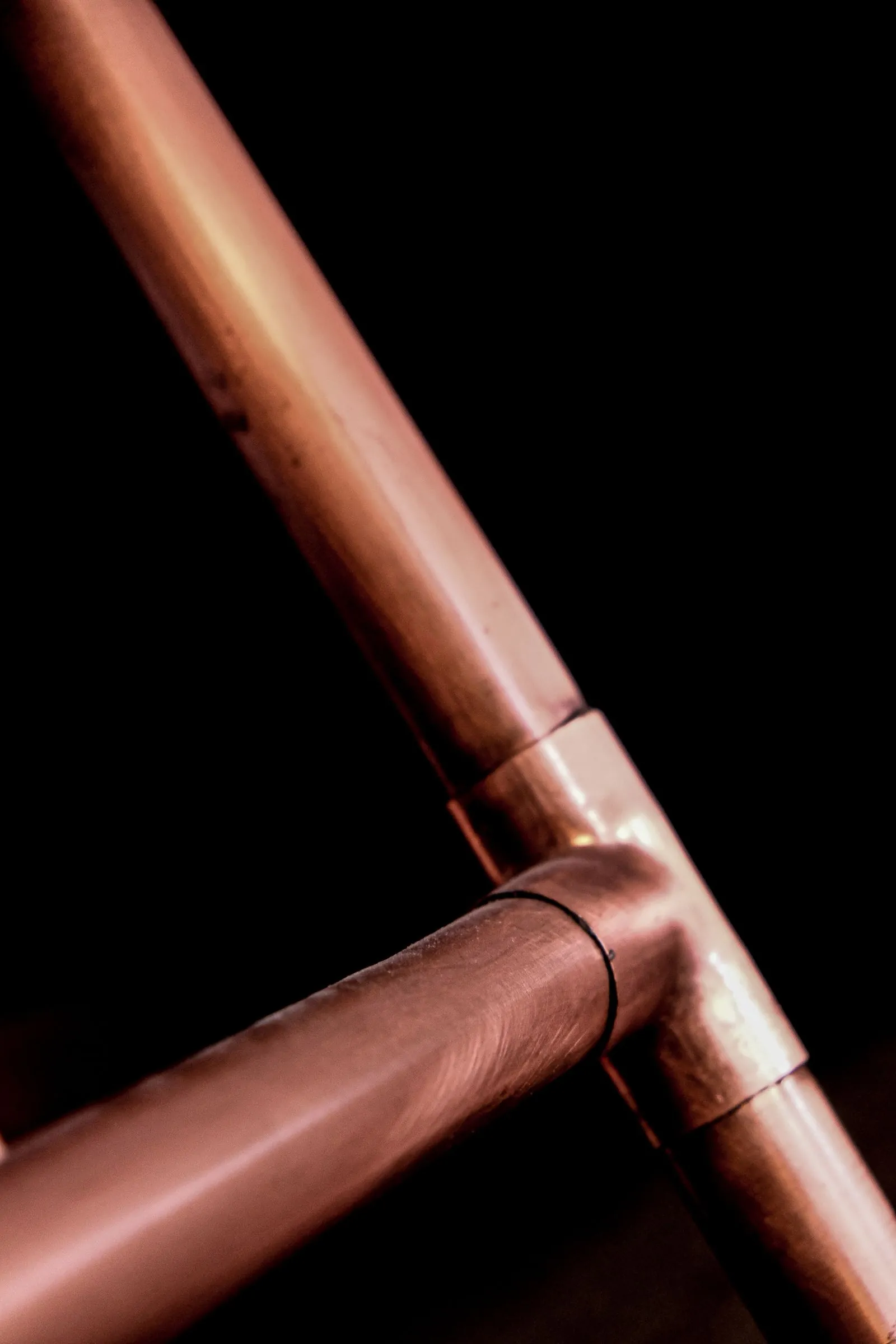
Repiping warning signs
Pipes do not fail all at once — they decline, and the symptoms stack up. If your St Louis home shows these, the system is telling you it is time.
- Two or more pipe leaks within a year or two.
- Rusty, brown, or metallic-tasting water from taps.
- Noticeably low water pressure throughout the house.
- Visible corrosion or flaking on exposed pipes.
- Galvanized steel or polybutylene pipe still in service.
Whole-home repiping — what's covered
The difference between a good repipe and a nightmare is the plan. Expect the pro to cover these bases.
- Full assessment of the existing system: material, age, condition, and failure points.
- A repipe plan: which lines get replaced, in what order, with minimal disruption.
- Replacement with modern piping matched to your home and water.
- New shutoff valves and supply stops at every fixture, as part of the job.
- Pressure testing of the new system before walls close back up.
- Coordination on permits and inspections where the locality requires them.
Safe steps before a repipe
Do not let failing pipes rush you into a bad decision. Handle the interim safely.
Safe to do now
- Identify your pipe material — a magnet sticks to galvanized steel, not to copper.
- Document leak locations and dates to show the pattern to pros.
- Test water pressure with a hose-bib gauge to quantify the problem.
Stop — call a pro
- Repiping is not a DIY project — permits, pressure testing, and code compliance require a licensed pro.
- Do not cap or abandon old lines inside walls without a plan — dead legs stagnate.
- Disturbing old pipe insulation that may contain asbestos — test first.
The repipe process, step by step
Knowing the phases takes the fear out of the project. This is how it unfolds.
System assessment: the pro maps your pipe materials, leak history, and pressure to confirm repiping is the right call.
Material and scope plan: PEX versus copper, which lines get replaced, and how the work sequences through the home.
Phased installation: new lines run with minimal openings; water is typically restored each evening.
Patch and test: pressure tests, fixture reconnection, and drywall patching plan for the openings made.
What affects repipe cost
Size, stories, access, and material choice set the range. Understand them before you compare quotes.
- Home size — bathrooms, stories, and total fixture count.
- Pipe material choice — PEX versus copper.
- Access — slab versus crawl space versus basement.
- How much drywall and finish work the openings require.
- Whether the water heater, main valve, and pressure regulator are replaced too.
The full whole-home repiping guide
Warning signs, the step-by-step process, cost factors, and what you can safely do yourself — the complete reference for whole-home repiping.
Read the Repiping guideRepiping FAQs
More services in St Louis
- Emergency in St Louis, MO
- Drain Cleaning in St Louis, MO
- Water Heaters in St Louis, MO
- Leak Repair in St Louis, MO
- Sewer Lines in St Louis, MO
- Toilets & Faucets in St Louis, MO
- Water Treatment in St Louis, MO
- Garbage Disposals in St Louis, MO
- Sump Pumps in St Louis, MO
- Gas Lines in St Louis, MO
- Hydro Jetting in St Louis, MO
- Backflow Prevention in St Louis, MO
- Remodel Plumbing in St Louis, MO
Repiping in nearby cities
Repiping in St Louis, MO — handled.
The pipes have served their time. Call (833) 878-1129 and FlowFast will connect you with an independent local plumber in St Louis.
FlowFast Plumbing connects you with independent local plumbing professionals. When you call or submit the form, your details may be shared with up to three local pros so they can respond. This site does not perform plumbing work itself.